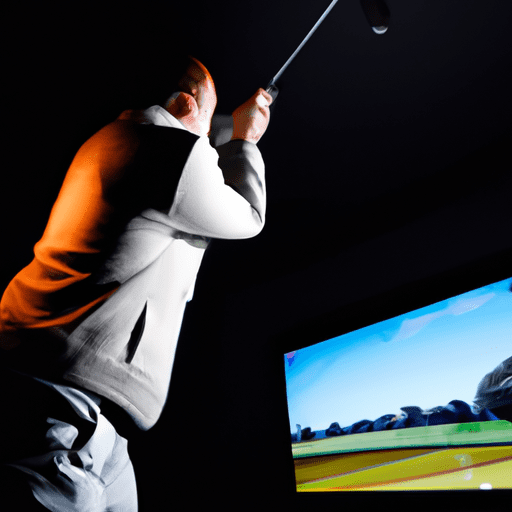
Wearable tech has emerged as a powerful tool for athletes looking to enhance their game. By collecting and analyzing a wide range of data, these innovative devices provide athletes with valuable insights to optimize their performance. Whether you’re a professional athlete or simply looking to improve your fitness level, wearable tech can offer valuable information such as heart rate, calories burned, step count, and sleep patterns. By harnessing this data, you are able to track progress, identify areas for improvement, and make informed decisions to take your game to the next level.
1. Performance Metrics
1.1 Heart Rate
Wearable tech devices can provide valuable data on your heart rate during physical activity. By monitoring your heart rate, you can track your cardiovascular fitness and effort levels during exercise. This data can help you ensure that you are training in the right heart rate zones for optimal performance and fitness gains. Additionally, monitoring your heart rate can provide insights into your recovery and help you gauge the intensity of your workouts.
1.2 Distance
Another crucial performance metric that wearable tech can track is the distance covered during your activities. Whether you are running, cycling, or participating in any other form of exercise, knowing the distance you have covered can help you set and achieve specific goals. By monitoring your distance, you can track your progress over time and make adjustments to your training program as needed.
1.3 Speed
Wearable tech devices equipped with GPS capabilities can accurately measure your speed during outdoor activities. Tracking your speed can help you gauge your performance and make improvements over time. Whether you are aiming to improve your running pace or cycling speed, having access to this data can provide valuable insights into your progress and help you establish target goals for your workouts.
1.4 Calories Burned
Knowing the number of calories burned during your workouts can be essential for managing your energy balance and weight management goals. Wearable tech devices equipped with heart rate monitors and accelerometers can estimate your calorie expenditure based on factors such as your heart rate, body movements, and activity duration. This data can provide valuable insights into the effectiveness of your training sessions and help you make informed decisions regarding your nutrition and calorie intake.
1.5 Steps Taken
Tracking the number of steps you take each day can help you maintain an active lifestyle and meet daily physical activity recommendations. Wearable tech devices with step-counting capabilities can monitor your steps, encouraging you to increase your daily activity levels. By setting targets and challenging yourself to achieve higher step counts, you can enhance your overall health and well-being.
2. Biomechanics Analysis
2.1 Body Movements
Wearable tech devices can provide detailed data on your body movements during physical activity. This data can include metrics such as acceleration, rotational movements, and balance. By analyzing your body movements, you can identify areas for improvement in your technique and form. This information is particularly beneficial for athletes who want to optimize their performance and reduce the risk of injuries.
2.2 Posture and Alignment
Maintaining proper posture and alignment is crucial for maximizing efficiency and minimizing the risk of injury during physical activities. Wearable tech devices equipped with motion sensors can monitor your posture and alignment in real-time. By analyzing this data, you can identify any deviations from optimal posture and make corrections as necessary. This can help you optimize your performance and reduce the strain on your body.
2.3 Swing Analysis
For athletes participating in sports such as golf, tennis, or baseball, wearable tech can provide valuable insights into their swing mechanics. By analyzing data on body movements, joint angles, and rotational forces, wearable tech devices can help athletes fine-tune their technique and improve their performance. This data-driven feedback can be instrumental in identifying areas for improvement and implementing targeted training strategies.
3. Sleep Patterns
3.1 Sleep Duration
Wearable tech devices equipped with sleep tracking capabilities can monitor the duration of your sleep. By analyzing your sleep patterns, including your bedtime and wake time, you can gain insights into your overall sleep duration. This information can help you establish healthy sleep habits and ensure that you are getting enough restorative sleep for optimal performance.
3.2 Sleep Quality
In addition to sleep duration, wearable tech devices can assess the quality of your sleep. By tracking factors such as sleep interruptions, restless periods, and overall sleep efficiency, you can gain a deeper understanding of the quality of your sleep. This data can help you identify factors that may be affecting your sleep quality and allow you to make necessary adjustments to improve your overall sleep hygiene.
3.3 Sleep Stages
Wearable tech devices with advanced sleep tracking capabilities can also provide insights into your sleep stages. By monitoring your sleep cycles and different stages, including deep sleep and REM sleep, you can better understand the quality and restorative value of your sleep. This information can be particularly helpful for athletes who rely on quality sleep for recovery and optimal performance.
4. Fatigue and Recovery
4.1 Heart Rate Variability
Heart rate variability (HRV) is a measure of the variation in time intervals between heartbeats. Wearable tech devices can track your HRV, which can provide insights into your physiological stress levels and recovery status. By monitoring changes in HRV over time, you can gain a better understanding of your fatigue levels and adjust your training and recovery strategies accordingly.
4.2 Oxygen Saturation
Some wearable tech devices are capable of monitoring your oxygen saturation levels, which can be an indicator of your overall respiratory and cardiovascular health. By tracking your oxygen saturation, you can identify any potential issues or deviations from normal levels. This data can help you assess your body’s ability to deliver oxygen to your muscles and inform training adjustments to enhance performance and recovery.
4.3 Resting Heart Rate
Monitoring your resting heart rate can provide insights into your overall cardiovascular health and recovery status. Wearable tech devices can track your resting heart rate over time, allowing you to identify any trends or changes. A lower resting heart rate generally indicates better cardiovascular fitness and improved recovery. By tracking this metric, you can adjust your training and recovery strategies to optimize your performance.
4.4 Recovery Score
Some wearable tech devices use algorithms to calculate a recovery score based on various physiological metrics, such as heart rate variability, sleep quality, and overall fatigue levels. This recovery score can provide a comprehensive assessment of your recovery status and guide your training decisions. By incorporating this information into your training plan, you can ensure that you are optimizing your recovery and avoiding overtraining.
5. Environmental Conditions
5.1 Temperature
Wearable tech devices equipped with temperature sensors can monitor the ambient temperature during your activities. This data can be particularly useful for outdoor athletes who need to manage their exertion levels and prevent overheating or hypothermia. By staying aware of the temperature conditions, you can make informed decisions regarding your clothing, hydration, and overall comfort.
5.2 Humidity
Humidity levels can significantly affect an athlete’s performance and perceived exertion. Wearable tech devices with humidity sensors can monitor the humidity levels during your activities. This data can help you adjust your training intensity and hydration strategies to account for the added challenges presented by high humidity. By maintaining optimal hydration levels, you can enhance your performance, prevent heat-related illnesses, and reduce the risk of dehydration.
5.3 Altitude
For athletes training or competing at high altitudes, wearable tech devices can provide valuable data on the altitude and elevation gain during their activities. By monitoring this data, athletes can gauge their adaptation to altitude and adjust their training strategies accordingly. This information is particularly crucial for endurance athletes preparing for events at high altitudes, as it can help them make informed decisions regarding pacing, hydration, and overall performance expectations.
5.4 UV Exposure
Excessive exposure to ultraviolet (UV) radiation can have adverse effects on an athlete’s health, particularly their skin. Wearable tech devices equipped with UV sensors can monitor your UV exposure during outdoor activities. By tracking this data, athletes can take appropriate measures to protect their skin, such as applying sunscreen, wearing protective clothing, and seeking shade when necessary. This information can help athletes maintain their overall health and prevent long-term damage caused by sun exposure.
6. Stress Levels
6.1 Heart Rate Variability
In addition to assessing fatigue and recovery, heart rate variability (HRV) can also provide insights into your stress levels. Wearable tech devices that monitor HRV can help identify patterns of stress and provide data-driven feedback on your stress management strategies. By tracking changes in HRV over time, you can gain a better understanding of how various stressors impact your physiology and overall well-being.
6.2 Electrodermal Activity
Electrodermal activity (EDA) refers to changes in skin conductance, typically associated with emotional arousal and stress. Wearable tech devices equipped with EDA sensors can measure these changes and provide insights into your stress levels. By monitoring your EDA, you can identify triggers that may lead to increased stress and implement effective stress management techniques such as relaxation exercises or mindfulness practices.
7. Nutrition and Hydration
7.1 Food Intake
Wearable tech devices equipped with food tracking capabilities can help you monitor your food intake and track your nutritional habits. By logging your meals and snacks, you can gain insights into your calorie intake, macronutrient distribution, and overall dietary patterns. This information can be useful for athletes aiming to optimize their nutrition for performance, weight management, or specific training goals.
7.2 Water Intake
Proper hydration is crucial for maintaining optimal performance and overall health. Wearable tech devices with hydration tracking capabilities can monitor your water intake and remind you to stay adequately hydrated throughout the day. By keeping track of your fluid consumption, you can prevent dehydration during exercise, optimize your recovery, and support your body’s physiological processes.
7.3 Electrolyte Levels
Electrolytes are essential minerals that play a crucial role in hydration, muscle function, and overall cellular function. Some wearable tech devices can estimate your electrolyte levels based on factors such as sweat rate and duration of physical activity. By monitoring your estimated electrolyte levels, you can ensure that you are replenishing the necessary minerals lost during exercise and maintaining proper electrolyte balance.
8. Mental Focus and Cognitive Function
8.1 Brainwave Activity
Wearable tech devices equipped with EEG (electroencephalography) sensors can measure your brainwave activity during cognitive tasks and mental training exercises. This data can provide insights into your mental focus, concentration, and overall cognitive function. By analyzing brainwave activity, you can identify patterns that contribute to optimal performance and develop targeted strategies to enhance your mental abilities.
8.2 Reaction Time
Reaction time is a critical aspect of many sports and activities. Wearable tech devices with reaction time tracking capabilities can assess your reaction time to various stimuli. By monitoring your reaction time, you can identify areas for improvement and implement specific training to enhance your speed and responsiveness.
8.3 Stroop Test
The Stroop test is a commonly used cognitive assessment tool that measures your ability to selectively attend to relevant information while inhibiting irrelevant information. Wearable tech devices can administer the Stroop test and provide data on your performance. By analyzing your Stroop test results, you can gain insights into your cognitive flexibility, attentional control, and overall cognitive function.
9. Training Load and Intensity
9.1 Heart Rate Zones
Wearable tech devices equipped with heart rate monitors can assess your training load and intensity by tracking your heart rate zones. By monitoring your heart rate during exercise, these devices can provide real-time feedback on the intensity of your workouts and help you stay within your target training zones. This information is valuable for athletes aiming to optimize their training volume and intensity for specific goals, such as endurance or high-intensity interval training.
9.2 Power Output
For athletes engaged in activities such as cycling or indoor rowing, wearable tech devices can measure power output. By tracking your power output, you can assess the intensity and effectiveness of your training sessions. This information can help you optimize your training load, set performance goals, and track your progress over time.
9.3 Cadence
Cadence refers to the number of steps or pedal revolutions per minute during activities such as running or cycling. Wearable tech devices equipped with accelerometers or motion sensors can measure your cadence and provide real-time feedback. By monitoring your cadence, you can optimize your stride length or pedaling efficiency, potentially improving your overall performance and reducing the risk of overuse injuries.
10. Injury Prevention and Rehabilitation
10.1 Joint Angles and Ranges of Motion
Wearable tech devices equipped with motion sensors can track your joint angles and ranges of motion during physical activities. This data can be crucial for athletes who want to prevent injuries or rehabilitate existing ones. By monitoring joint angles and ranges of motion, athletes can identify any deviations from optimal movement patterns and implement corrective exercises or techniques to reduce the risk of injury or aid in the recovery process.
10.2 Impact Forces
For athletes engaged in activities with high impact or contact, wearable tech devices can provide valuable data on impact forces. By measuring force distribution and magnitude, these devices can help athletes understand the demands placed on their musculoskeletal system. This information can assist in injury prevention by identifying areas of excessive force and allowing athletes to modify their technique or training programs accordingly.
10.3 Gait Analysis
Gait analysis involves the assessment of an athlete’s walking or running pattern to identify any biomechanical abnormalities or inefficiencies. Wearable tech devices equipped with motion sensors can track your gait and provide valuable data on factors such as stride length, cadence, and foot strike pattern. By analyzing this data, athletes and healthcare professionals can identify any issues that may contribute to injury or hinder optimal performance, leading to targeted interventions and corrective strategies.