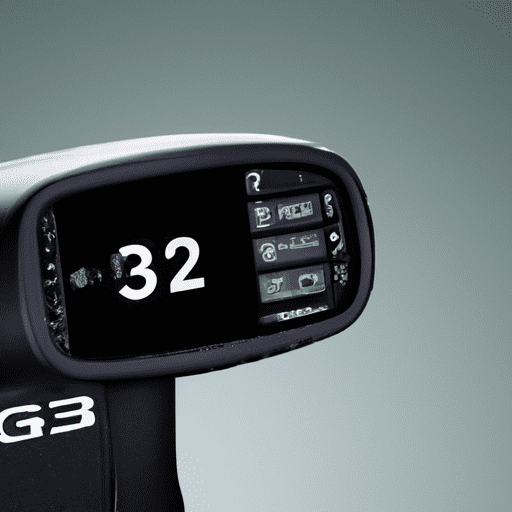
Imagine a world where every swing, every putt, and every golf game is enhanced by cutting-edge technology. With “Smart Golf,” this vision becomes a reality. Through the power of wearable tech, this innovative product is revolutionizing the way golfers approach the game, providing real-time data, insights, and personalized feedback to help improve their skills on the green. Gone are the days of relying solely on instinct and experience – with Smart Golf, every golfer can now have access to the tools they need to truly master their game.
1. Overview of Wearable Tech in Golf
1.1 Introduction to wearable technology
Wearable technology has revolutionized various industries, and the world of golf is no exception. These innovative devices, worn by golfers, provide a plethora of benefits that enhance the overall golfing experience. From analyzing golf swings to tracking distance and accuracy, improving fitness and performance to offering real-time course navigation, smart golf apparel for comfort and style, ensuring safety and injury prevention, enhancing social interaction, and providing personalized insights through data analysis – wearable tech is transforming how golfers approach the game.
1.2 Application of wearable tech in golf
Wearable tech finds numerous applications in the world of golf. These devices offer golfers real-time feedback on their swing mechanics, helping them identify areas for improvement and refine their technique. They also track and measure important metrics, such as distance and accuracy, enabling golfers to monitor their progress and make data-driven decisions. Wearable fitness technology specifically designed for golfers helps improve physical conditioning, leading to enhanced performance on the course. Additionally, smart golf apparel not only ensures comfort and style but also provides practical functionalities like moisture-wicking, temperature regulation, and UV protection. These wearable devices offer golfers a comprehensive and immersive golfing experience, integrating technology seamlessly into their game.
2. Smart Golf Swing Analysis
2.1 Importance of analyzing golf swings
Analyzing golf swings is a fundamental aspect of improving one’s golf game. By studying the mechanics of a swing, golfers can identify flaws, correct them, and optimize their performance. Accurate swing analysis helps golfers understand their strengths and weaknesses, supporting them in refining their technique and achieving consistent results. Traditionally, swing analysis required manual observation by a trained instructor or video analysis. However, with the advent of wearable tech, golfers now have access to real-time feedback and detailed swing data, making the process more efficient and convenient.
2.2 Role of wearable tech in swing analysis
Wearable technology has revolutionized swing analysis, enabling golfers to monitor and analyze their swing mechanics on the course or at practice. Devices such as smartwatches or motion sensors can be worn on the wrist, club, or glove, capturing data points during the swing. These devices provide real-time feedback on various metrics such as swing speed, tempo, angle of attack, and clubface angle. By visualizing this data, golfers can identify areas for improvement and make adjustments to enhance their swing mechanics. The convenience and accuracy of wearable tech make it an invaluable tool for golfers looking to refine their swing and unlock their full potential.
2.3 Different types of wearable devices for swing analysis
There are different types of wearable devices available for swing analysis in golf. One popular option is the smart glove, which integrates sensors in the fingertips and palm to capture key swing data. These gloves provide feedback on grip pressure, wrist position, and swing speed, assisting golfers in optimizing their swings. Another type of wearable device is the motion sensor attached to the club. These sensors analyze the club’s movement throughout the swing, providing insights into clubhead speed, face angle, and swing path. Additionally, smartwatches equipped with golf-specific apps can also track and analyze swing data, offering golfers a convenient and comprehensive tool for improving their game.
3. Tracking Distance and Accuracy with Wearables
3.1 The significance of tracking distance and accuracy in golf
Tracking distance and accuracy is crucial in golf, as it allows golfers to evaluate their performance and make informed decisions on the course. By accurately measuring how far a shot travels and how accurately it reaches the desired target, golfers can assess their skills and strategize accordingly. Reliable distance and accuracy tracking help golfers choose the right club for each shot, minimize the risk of hazards, and optimize their overall game plan. By utilizing wearable devices, golfers can have instant access to these metrics, leading to more precise and confident shots.
3.2 Wearable devices for distance and accuracy tracking
Wearable devices offer golfers a range of options for tracking distance and accuracy. GPS-enabled smartwatches or rangefinder watches provide accurate distance measurements to various points on the course. These devices eliminate the need to rely on yardage markers or estimation, ensuring golfers have precise information at their fingertips. Additionally, laser rangefinders equipped with wearable display technology offer golfers quick and accurate distance readings to their targets. These wearable devices take the guesswork out of shot planning and allow golfers to make more informed decisions, ultimately leading to improved performance.
3.3 Benefits of using wearables for tracking
Using wearables for tracking distance and accuracy in golf offers numerous benefits. Firstly, these devices provide instant access to precise information, allowing golfers to make quick and confident decisions without wasting time on manual calculations or estimations. Secondly, by accurately tracking distance and accuracy, golfers can identify trends in their performance and track progress over time. This data-driven approach enables golfers to focus on specific areas for improvement and tailor their practice sessions accordingly. Moreover, wearable devices streamline the tracking process, eliminating the need for additional equipment or guesswork. Overall, wearables enhance the golfing experience by providing accurate and valuable information, leading to better decision-making and improved performance.
4. Improving Golf Fitness and Performance
4.1 Understanding the importance of fitness in golf
Fitness plays a vital role in golf, as it directly influences a golfer’s performance on the course. Optimal golf fitness improves endurance, stability, flexibility, and strength – all of which are critical for executing consistent and powerful swings. By incorporating fitness routines into their training regimen, golfers can enhance their physical capabilities and maximize their potential. Wearable fitness technology tailored for golfers offers a holistic approach to improving fitness and, in turn, performance.
4.2 Wearable fitness technology for golfers
Wearable fitness technology has evolved to cater specifically to the needs of golfers. These devices can monitor various fitness metrics such as heart rate, steps taken, calories burned, and even specific golf-related metrics like swing tempo and balance. Smartwatches, fitness trackers, and biofeedback sensors enable golfers to track their fitness levels and evaluate their progress over time. Some devices even provide customized workout routines and exercises designed to address specific golf-related muscle groups. By utilizing wearable fitness technology, golfers can optimize their physical fitness, leading to improved performance and overall well-being.
4.3 Enhancing performance through wearable tech
Wearable tech offers unique advantages for performance enhancement in golf. By tracking various fitness metrics, golfers can identify areas for improvement and set specific fitness goals. The real-time feedback provided by wearable devices enables golfers to make adjustments during training sessions, ensuring they are performing exercises correctly and optimizing their training. Moreover, wearable fitness technology offers personalized data analysis, allowing golfers to monitor their progress and adjust their routines accordingly. By leveraging these insights, golfers can optimize their physical conditioning and unlock their full potential on the course.
5. Real-time Course Navigation and GPS
5.1 Navigating golf courses with wearable GPS
Navigating golf courses can sometimes be challenging, especially for players who are unfamiliar with a particular course. Fortunately, wearable GPS technology has simplified course navigation, providing golfers with real-time information and guidance. These devices connect to satellite systems and display detailed maps of the course, highlighting key landmarks, hazards, and distances to greens and other targets. Golfers can access this information directly from their wrist, making it convenient and efficient to navigate the course without relying on paper maps or guesswork.
5.2 Features and benefits of GPS-enabled wearables
GPS-enabled wearables offer golfers a range of features and benefits. Firstly, these devices provide accurate and up-to-date mapping information, ensuring golfers always have reliable course data at their disposal. This allows them to better plan their shots and avoid costly mistakes or penalties. Additionally, GPS-enabled wearables can track golfers’ progress throughout the course, providing insights into average distances per club, shot dispersion patterns, and other performance metrics. This data can be invaluable for analyzing strengths and weaknesses, shaping future strategies, and improving overall performance. Furthermore, these devices can often sync with golf apps or websites, allowing golfers to review their rounds and analyze their gameplay in more detail. Wearable GPS technology has truly revolutionized the way golfers navigate and strategize on the course.
6. Smart Golf Apparel for Comfort and Style
6.1 Introduction to smart golf apparel
Smart golf apparel combines technological innovations with traditional clothing to enhance comfort, style, and performance on the golf course. These garments integrate advanced materials, features, and functionalities to cater to the unique needs of golfers. Smart golf apparel is designed to provide breathability, moisture-wicking capabilities, UV protection, and temperature regulation while maintaining a stylish and professional appearance.
6.2 Features and functionalities of smart golf clothing
Smart golf clothing offers a range of features and functionalities that benefit golfers during their rounds. Moisture-wicking fabrics keep golfers dry and comfortable, even in hot and humid conditions, by drawing sweat away from the body. UV protection features help shield golfers from harmful sun rays and reduce the risk of sunburn. Temperature-regulating technologies ensure golfers stay cool in warmer climates and retain warmth in colder environments. Additionally, many smart golf apparel items incorporate stretchable and flexible fabrics, providing golfers with unrestricted movement for optimal swing mechanics. These features combine to make smart golf apparel a practical and stylish option for golfers of all skill levels.
6.3 Impact of smart golf apparel on player experiences
Smart golf apparel not only enhances comfort and performance but also has a significant impact on a golfer’s overall experience on the course. By wearing clothing that regulates body temperature and wicks away moisture, golfers can focus more on their game and avoid discomfort caused by excessive sweating or overheating. The UV protection offered by smart golf apparel ensures golfers can enjoy extended periods on the course without worrying about sun damage. Moreover, the stylish designs of these garments boost confidence and create a professional image, enhancing the overall golfing experience. Smart golf apparel seamlessly combines fashion and functionality to elevate golfers’ comfort, style, and enjoyment on the course.
7. Enhancing Safety and Injury Prevention with Wearables
7.1 Importance of safety and injury prevention in golf
Safety and injury prevention are paramount in any sport, and golf is no exception. While golf is generally considered a low-impact sport, golfers can still be prone to certain injuries, such as back strains, shoulder injuries, and overuse-related conditions. It is crucial for golfers to prioritize safety and take steps to prevent injuries, enabling them to enjoy the game for years to come.
7.2 Wearable tech for injury prevention in golf
Wearable technology has introduced innovative solutions for injury prevention in golf. For example, wearable sensors can measure and analyze golfers’ movements, providing real-time feedback on their swing mechanics and body positions. By monitoring these metrics, golfers can identify potential risks and make adjustments to their technique to minimize the risk of injury. Additionally, wearable devices can track and analyze data on factors such as swing speed, clubhead impact, and ground reaction forces, offering insights into potential areas of strain or excessive force. Awareness of these factors allows golfers to make informed decisions about their training, warm-up routines, and technique modifications, reducing the risk of injury and improving overall safety.
7.3 Monitoring and analyzing player safety with wearables
Wearable technology allows for continuous monitoring and analysis of player safety in golf. For example, heart rate monitors integrated into smartwatches or fitness trackers can help golfers maintain an optimal heart rate during physical exertion, ensuring they do not overexert themselves. Additionally, motion sensors and joint angle trackers can help golfers identify any excessive movements that may lead to injury. By tracking and analyzing these safety metrics, golfers can take proactive measures to avoid potential risks and stay healthy while enjoying the game. Wearable tech mitigates injury risks and enhances safety, enabling golfers to play with confidence and peace of mind.
8. Gamification and Social Interaction in Golf
8.1 Gamification’s role in transforming golf experiences
Gamification has emerged as a popular trend in various industries, and it is transforming the golfing experience as well. By integrating game-like elements, challenges, and rewards into golf, golfers can enhance their motivation, engagement, and enjoyment on the course. Gamification not only adds a fun and competitive aspect to the game but also creates opportunities for social interaction and community building among golfers.
8.2 Wearable tech for gamification
Wearable tech adds a new dimension to gamification in golf. Devices such as smartwatches and fitness trackers can track various in-game achievements, such as longest drive, closest to the pin, or fastest hole completed. These devices provide real-time feedback and rewards for hitting specific milestones, adding an element of excitement and competition to the game. Additionally, wearable tech can connect with golfing communities and social platforms, allowing golfers to share their achievements, challenge friends, and compete in virtual tournaments. These gamification features foster a sense of camaraderie, motivation, and support among golfers, enhancing their overall golfing experiences.
8.3 Enhancing social interaction through wearables
Wearable tech promotes social interaction among golfers. The ability to track and share game statistics, achievements, and challenges through wearable devices facilitates communication and friendly competition. Golfers can engage in virtual tournaments, compare scores, and even participate in global leaderboards. Social platforms and wearable tech create opportunities for golfers to connect, share tips, and support each other’s progress. Furthermore, wearable devices can enable real-time communication among players during a round, fostering collaboration and enhancing the social aspect of the game. Wearables enhance social interaction, making golf a more inclusive and connected sport for enthusiasts around the world.
9. Data Analysis and Personalized Insights
9.1 The role of data analysis in golf
Data analysis plays a crucial role in golf, enabling golfers to gain valuable insights into their performance and make data-driven decisions. By tracking and analyzing various metrics, golfers can identify patterns, strengths, and weaknesses in their game, leading to targeted improvements and strategic adjustments. Data analysis provides a comprehensive understanding of a golfer’s performance, supporting them in assessing progress, setting goals, and optimizing their practice routines.
9.2 Utilizing wearable tech for data collection
Wearable tech provides golfers with a wealth of data for analysis. Devices such as smartwatches, fitness trackers, and swing sensors capture numerous metrics, including swing speed, tempo, angle of attack, shot dispersion, heart rate, and fitness levels. These devices seamlessly collect and store this data, allowing golfers to review and analyze it at their convenience. By wearing these devices during practice sessions and rounds, golfers can accumulate a vast amount of valuable data that can be utilized for personalized insights and performance enhancement.
9.3 Benefits of personalized insights for golfers
Personalized insights derived from data analysis offer significant benefits to golfers. By understanding their unique performance metrics, golfers can identify areas for improvement and tailor their practice routines and training programs accordingly. Personalized insights provide specific feedback and recommendations for improvement, allowing golfers to focus on targeted areas and track progress over time. Additionally, actionable insights derived from data analysis can aid in strategic decision-making on the course, such as club selection and shot placement. By leveraging personalized insights, golfers can make informed choices, optimize their performance, and reach their full potential.
10. Future of Wearable Tech in Golf
10.1 Emerging trends and advancements
The future of wearable tech in golf looks promising, with several emerging trends and advancements on the horizon. One such trend is the integration of artificial intelligence and machine learning algorithms into wearable devices. This would allow devices to analyze data and provide real-time feedback and customized recommendations to golfers. Another emerging trend is the development of smart clothing with embedded sensors, enabling comprehensive monitoring of golfers’ movements and biomechanics. Additionally, advancements in battery life, connectivity, and data processing capabilities will continue to enhance the functionality and performance of wearable tech in golf.
10.2 Potential challenges and solutions
While wearable tech has the potential to revolutionize the golfing experience, there are still challenges to overcome. Ensuring the accuracy and reliability of data collected by wearables is a critical challenge that must be addressed. Calibration and sensor accuracy can impact the quality of data, and advancements in these areas will be crucial. Privacy and data security are also important considerations, as wearable tech collects and stores personal data. Implementing robust privacy measures and encryption protocols will be essential to protect golfers’ information.
10.3 Predictions for the future of smart golf
Looking ahead, the future of smart golf is exciting and full of possibilities. Wearable tech is likely to become more seamlessly integrated into golfing equipment and apparel, becoming virtually unnoticeable to the golfer. The capabilities of wearable devices will continue to improve, providing golfers with even more accurate and comprehensive data. Furthermore, wearable tech will revolutionize coaching and training, offering virtual guidance and automated feedback systems tailored to each golfer’s unique needs and preferences. The future of smart golf is sure to enhance the game in ways we can only imagine, making it more accessible, enjoyable, and ultimately improving golfers’ experiences.