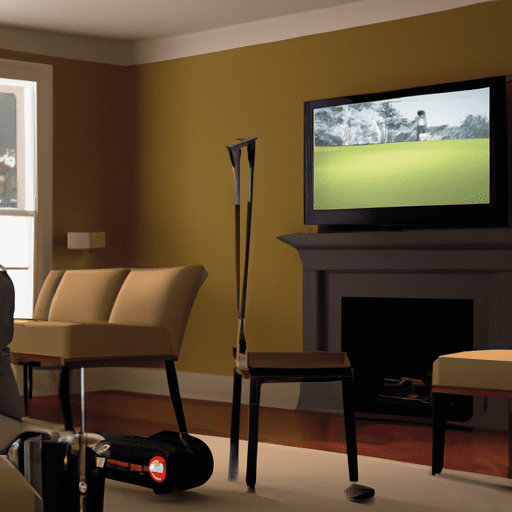
Imagine being able to play golf on a rainy day, with the wind rushing through the trees, and the smell of freshly cut grass in the air – all without stepping outside. With the advancement of technology, golf simulators have become popular alternatives to hitting the greens. But can these simulators truly replicate different course conditions? From the rolling hills of Scotland to the challenging sand traps of Florida, this article explores the potential of golf simulators in simulating various course conditions, providing avid golfers with a virtual golfing experience like never before.
Overview of Golf Simulators
Definition of golf simulators
Golf simulators are virtual systems that recreate the experience of playing golf in an indoor setting. They provide golf enthusiasts with a realistic and immersive environment that allows them to simulate playing on a golf course without the need for an actual outdoor space.
How golf simulators work
Golf simulators utilize sensors, cameras, and sophisticated software algorithms to track and analyze the movement of the golfer and the golf ball. By capturing data on swing speed, ball trajectory, and impact angle, the simulators are able to calculate the distance and direction of each shot. This information is then used to recreate the virtual golf course on a high-definition screen, providing players with a detailed and accurate representation of their shots.
Advantages of using golf simulators
There are numerous advantages to using golf simulators. Firstly, they allow players to practice and improve their skills in the comfort of their own home or at indoor golf centers, regardless of the weather conditions outside. Additionally, golf simulators provide instant feedback on each shot, allowing players to analyze their performance and make adjustments to their technique. They also offer a time-saving alternative to playing on a traditional golf course, as players can complete a round in a fraction of the time it would take in real life.
Different types of golf simulators
There are several different types of golf simulators available on the market, each offering its own unique set of features and capabilities. Some simulators are designed for personal use and can be installed in a home or garage, while others are larger and more advanced, catering to golf training facilities and professional golfers. Certain simulators also include additional accessories such as swing analyzers and putting aids, providing players with a comprehensive training experience.
Importance of Simulating Different Course Conditions
Enhancing training opportunities
Simulating different course conditions with golf simulators allows players to enhance their training opportunities. By practicing in varying environments, players can become better equipped to handle different challenges they may encounter on real golf courses. Whether it’s adjusting to different weather conditions or adapting to different types of terrain, simulating various course conditions helps players develop the skills and versatility needed to excel in different playing conditions.
Preparing for various playing conditions
Being able to simulate different playing conditions with golf simulators is essential for golfers who are preparing for tournaments or professional competitions. By using simulators to replicate the specific course conditions they will encounter, players can familiarize themselves with the nuances of the course, such as the speed of the greens, the layout of the bunkers, and the challenging fairway and rough conditions. This preparation can give players a significant advantage when it comes to making strategic decisions and executing shots during a real game.
Improving decision-making skills
Simulating different course conditions with golf simulators helps players improve their decision-making skills on the golf course. By facing a variety of scenarios and having to strategize accordingly, players can develop their ability to read the course and make informed choices. This includes considerations such as club selection, shot placement, and understanding how environmental factors, such as wind speed and direction, will affect their shots. As players gain experience in simulated conditions, they can become more confident and adept at making the right decisions under pressure.
Providing a realistic and immersive experience
One of the key benefits of using golf simulators to simulate different course conditions is the realistic and immersive experience they provide. With advanced graphics and accurate physics simulations, players can truly feel like they are playing on a real golf course. From the lush fairways to the meticulously designed putting greens, the attention to detail in golf simulators creates a truly authentic experience. This immersive environment allows players to fully engage with their practice sessions and improve their skills in a fun and enjoyable manner.

Factors Simulated by Golf Simulators
Weather conditions
Golf simulators have the capability to simulate various weather conditions, allowing players to practice in different climates and learn to adapt their game accordingly. Whether it’s playing in strong winds, heavy rain, or intense heat, simulating these weather conditions provides players with a realistic experience and helps them develop the skills needed to perform well under challenging weather circumstances.
Course topography
Golf simulators accurately recreate the topography of different golf courses, including the layout of fairways, the undulations of greens, and the elevation changes throughout the course. This level of detail enables players to familiarize themselves with the specific challenges of each course and practice their shots accordingly. By simulating various course topographies, players can develop strategies for handling uphill and downhill shots, as well as mastering their approach shots to the putting surface.
Wind speed and direction
Wind is a significant factor in golf that can greatly influence the flight and trajectory of the ball. Golf simulators have the ability to simulate different wind speeds and directions, allowing players to practice and refine their shots in varying wind conditions. This feature is particularly valuable for players who live in areas with relatively calm weather, as they can experience and learn to adjust for the impact of wind on their shots in a controlled indoor environment.
Green speeds
Green speed is an essential element of golf and can greatly affect the putting game. Golf simulators accurately replicate the speed of greens by adjusting the roll of the virtual ball based on the input from the player’s stroke. This allows players to practice their putting skills on greens with different speeds, helping them develop a feel for the touch and pace required to make successful putts. By simulating different green speeds, players can improve their ability to judge distances and control their putts effectively.
Fairway and rough conditions
The condition of the fairways and rough can significantly impact a golfer’s ability to control their shots. Golf simulators simulate various fairway and rough conditions, including differences in grass length, firmness, and roughness. This enables players to practice their shots from different lies and learn how to adjust their technique accordingly. By simulating these conditions, players can enhance their ability to navigate challenging areas of the course and improve their overall shot-making skills.
Bunkers and hazards
Golf simulators accurately replicate the presence of bunkers and hazards, such as water hazards and sand traps, on virtual golf courses. This allows players to practice their shots from difficult lies and develop strategies for avoiding these hazards or recovering from them effectively. By simulating bunkers and hazards, players can refine their bunker shots and learn how to approach different types of hazards with confidence and precision.
Effectiveness of Simulating Different Course Conditions
Accuracy of simulating weather conditions
Golf simulators have come a long way in accurately simulating various weather conditions. Advanced systems can replicate rain, wind, and even extreme weather events, providing a realistic experience for players. The accuracy of simulating weather conditions allows players to practice in different climates and strengthen their ability to adapt their game to changing weather situations. While simulators may not be able to reproduce the exact feel of playing in certain weather conditions, they provide a valuable training tool for players to develop the necessary skills and strategies.
Realism in replicating course topography
Golf simulators excel in replicating the topography of different golf courses. From the undulating fairways to the subtle breaks on the greens, simulators can accurately recreate the unique characteristics of each course. This realism ensures that players can practice their shots and develop strategies that are specific to the challenges presented by each course. By providing an accurate representation of course topography, simulators enable players to refine their skills and improve their performance on any course they may encounter.
Wind simulation capabilities
Wind is a critical factor in golf, and simulating its impact is an important aspect of golf simulators. While wind simulation may not perfectly replicate the exact behavior of wind on a real course, modern simulators can provide a realistic approximation of wind speed and direction. This allows players to develop their ability to adjust their shots and factor in the influence of wind on the trajectory and distance of the ball. By practicing in varying wind conditions, players can become better equipped to handle challenging situations on the golf course.
Precision in simulating green speeds
Simulating green speeds is a crucial aspect of golf simulators and requires precision to provide an accurate experience. By adjusting the roll of the virtual ball based on the player’s stroke, simulators can replicate the speed of greens at various golf courses. This precision allows players to practice their putting skills on greens with different speeds, enabling them to develop a feel for the nuances of each putting surface. By improving their ability to adapt to different green speeds, players can enhance their overall putting performance and lower their scores.
Sensitivity to fairways and rough conditions
Golf simulators exhibit sensitivity to the different fairway and rough conditions that can be found on golf courses. By adjusting grass length, firmness, and roughness, simulators accurately replicate the challenges and shot requirements associated with each type of lie. This sensitivity allows players to develop their ability to adapt their swing and technique to varying lies, improving their shot-making skills and control. By practicing in simulated fairway and rough conditions, players can become more proficient at navigating challenging areas of the course and optimizing their performance.
Realistic representation of bunkers and hazards
Golf simulators provide a realistic representation of bunkers and hazards, enabling players to practice their shots and strategies for dealing with these obstacles. By simulating the presence of bunkers and water hazards, players can develop their bunker shots, learn how to avoid hazards, or face the challenge of recovering from them with confidence. The realistic representation of bunkers and hazards in simulators enhances players’ ability to visualize and execute successful shots, leading to improved performance on the golf course.
Adjustability of Golf Simulators
Customizing course conditions
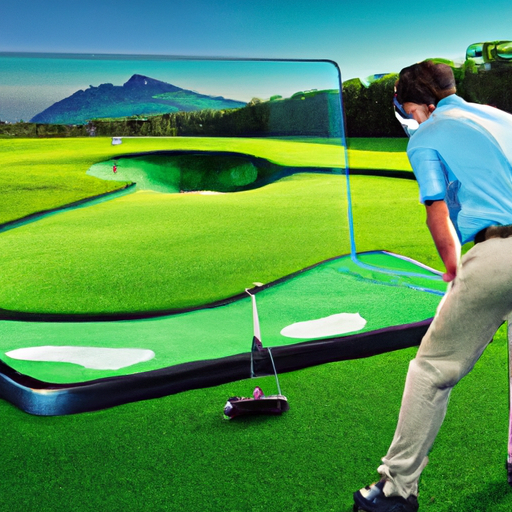
One of the key benefits of golf simulators is the ability to customize course conditions according to individual preferences. For example, players can choose to play on courses with specific fairway and rough conditions, adjust the wind speed to their liking, or even create their own virtual course. This adjustability allows players to tailor their practice sessions and training experiences to focus on specific areas of their game or to simulate the conditions they are likely to encounter in upcoming competitions.
Modifying weather elements
Golf simulators provide the option to modify weather elements, enabling players to practice under a range of weather conditions. Whether it’s practicing in strong winds, challenging rain showers, or intense heat, players can adapt their training sessions to simulate the conditions they want to practice in. The ability to modify weather elements in golf simulators not only adds an extra layer of realism to the experience but also enhances players’ versatility and preparedness for various weather scenarios they may encounter on the golf course.
Controlling green speed
Golf simulators allow players to control the green speed, meaning they can tailor the putting experience to their specific needs and preferences. Whether players want to practice on lightning-fast greens or work on their touch on slower greens, the ability to adjust the green speed in simulators provides the flexibility to focus on specific aspects of their putting game. This customization ensures players can fine-tune their skills to perform optimally on greens of any speed.
Altering fairway and rough conditions
The adjustability of golf simulators extends to fairway and rough conditions, granting players the ability to simulate the type of lie they want to practice from. By altering factors such as grass length, firmness, or roughness, players can create a variety of scenarios and challenges to practice their shots. This allows players to focus on specific aspects of their game, such as hitting from tight lies or navigating long, thick rough, and develop the necessary skills to perform well in different conditions on the golf course.
Changing bunker characteristics
Golf simulators offer the option to change bunker characteristics, allowing players to practice their bunker shots in a controlled and customizable environment. Whether players want to simulate deep bunkers, firm sand, or soft fluffy lies, they can adjust these characteristics to suit their training needs. This flexibility enables players to improve their ability to execute successful bunker shots and develop strategies for handling various types of bunkers they may encounter on different golf courses.
Availability of Course Database
Extent and variety of courses available
Golf simulators offer a vast course database, providing players with access to a wide range of golf courses from around the world. Whether players want to practice on renowned championship courses or experience the challenges of lesser-known local gems, simulators offer an extensive selection to choose from. This diversity allows players to explore different playing styles, course designs, and difficulties, ensuring they are constantly exposed to new challenges and opportunities for growth.
Accessibility to different course conditions
The course database in golf simulators not only provides access to a variety of courses but also allows players to experience different course conditions. From courses with fast greens and narrow fairways to courses with undulating terrain and challenging hazards, players can select virtual courses that replicate the specific conditions they want to practice or compete in. This accessibility ensures that players can tailor their training to focus on the areas of their game that require improvement or refinement.
Updates and additions to course database
Golf simulator manufacturers frequently update and add new courses to their databases, ensuring players have a continually expanding selection of courses to choose from. This ongoing effort to keep the database up-to-date with current and upcoming courses allows players to stay in touch with the ever-evolving golfing landscape. Whether it’s the inclusion of newly designed courses or the addition of iconic courses from past eras, updates and additions to the course database continually provide players with fresh challenges and opportunities to enhance their skills.
Limitations of Golf Simulators
Lack of physical terrain and elements
One limitation of golf simulators is the absence of the physical aspects of a real golf course, such as the uneven terrain, natural grass, and tactile elements. Although simulators provide an accurate representation of course conditions visually, they cannot replicate the physical sensations and challenges associated with playing on natural grass. While simulators are a valuable training tool, players should supplement their simulator practice with regular play on real courses to ensure they are prepared for the physical demands and nuances of outdoor golf.
Inability to fully replicate natural grass
Golf simulators often use synthetic hitting surfaces, which may differ in feel and performance compared to natural grass. While simulators strive to recreate the sensation of hitting shots from various lies, the dissimilarity in the hit and response of the ball on synthetic surfaces may affect shot outcomes. Players should be aware of this discrepancy when practicing on simulators and make adjustments accordingly during their on-course play. The use of real grass practice facilities in conjunction with simulators can help bridge this gap and provide a more comprehensive training experience.
Challenges with accurately simulating wind
One of the challenges in golf simulators is accurately simulating the impact of wind on the flight of the ball. While simulators can replicate wind speed and direction, the experience may not fully capture the subtle influences and unpredictability of wind on a real golf course. This limitation may affect players’ ability to develop the same level of adaptability and shot-shaping skills as they would experience in outdoor play. Despite this challenge, simulators still provide a valuable platform for practicing and learning to adjust for wind conditions to a certain extent.
Dependency on player’s skill and technique
Golf simulators are highly dependent on the player’s skill and technique. While they provide accurate readings and feedback, the quality of the shots produced is a direct result of the player’s skill level and swing mechanics. Simulators can highlight areas for improvement and provide valuable data, but ultimately, it is up to the player to make the necessary adjustments and refine their technique. Understanding this dependency is crucial for players to effectively utilize simulators as a tool for improvement and development.
Role of Technology in Simulating Course Conditions
Advancements in simulator hardware
Advancements in simulator hardware have played a significant role in enhancing the simulation of course conditions. From improved sensors to more accurate tracking systems, the hardware components of golf simulators have evolved to provide greater precision and realism. These advancements contribute to the accurate measurement and analysis of data for each shot, ensuring that the simulated course conditions are as realistic as possible.
Improvements in software algorithms
The software algorithms used in golf simulators have undergone significant improvements, enabling more accurate physics simulations and realistic representations of course conditions. These algorithms take into account various factors, such as ball spin, trajectory, and environmental variables, to accurately recreate the flight and behavior of the golf ball. By continuously refining these algorithms, simulators can provide players with a high level of accuracy and authenticity in their virtual golfing experiences.
Integration of real-time data
The integration of real-time data has revolutionized golf simulators, allowing players to receive instant feedback and analysis of their shots. Simulators can display data such as swing speed, ball launch angle, and shot dispersion, providing players with valuable insights into their performance. This real-time data integration enhances the training experience, enabling players to make immediate adjustments and refine their technique based on the feedback provided.
Use of advanced sensors and cameras
Advanced sensors and cameras are integral components of modern golf simulators. These sensors and cameras capture intricate details of a player’s swing, track the ball’s movement, and precisely measure important factors such as clubhead speed and ball spin. By utilizing these advanced technologies, golf simulators can provide players with accurate feedback, analysis, and visualization of their shots and allow them to fine-tune their skills and make targeted improvements.
Collaboration with golf course designers
Golf simulator manufacturers collaborate with golf course designers to ensure the authenticity and accuracy of their virtual courses. By working closely with renowned golf course designers, simulators can recreate the unique features, challenges, and character of each course. This collaboration ensures that players have access to virtual representations of renowned and lesser-known courses that stay true to the original design and capture the essence of the real-life playing experience.
Training and Learning Benefits from Simulated Course Conditions
Developing adaptability and versatility
Simulating different course conditions with golf simulators enables players to develop adaptability and versatility in their game. By experiencing various scenarios and challenges, players learn to adjust their shots and strategies accordingly. This adaptability translates to improved performance on different courses and under varying playing conditions, fostering versatility and enhancing players’ ability to perform at their best in any golfing situation.
Enhancing strategic thinking and decision-making
Simulated course conditions challenge players to think strategically and make informed decisions. By facing varying scenarios, players develop their ability to read the course, assess risks, and make strategic choices. This enhances their decision-making skills and equips them with the knowledge and confidence to make effective decisions during actual rounds of golf. The strategic thinking and decision-making skills acquired through simulated course conditions can provide players with a competitive edge and lead to improved on-course performance.
Improving shot accuracy and control
Practicing in simulated course conditions helps players improve their shot accuracy and control. By repeatedly hitting shots in different scenarios, players can refine their technique, develop consistency, and gain a better understanding of shot distances and club selection. The improved shot accuracy and control acquired through utilizing golf simulators translate directly to improved performance on the golf course, resulting in more productive and successful rounds of golf.
Building mental and psychological resilience
Simulating different course conditions with golf simulators helps players build mental and psychological resilience. By exposing themselves to a variety of challenges and scenarios, players develop the ability to stay focused, remain composed under pressure, and maintain a positive mindset. This mental resilience is invaluable on the golf course, where staying calm, making effective decisions, and recovering from setbacks are crucial elements of success. Simulated course conditions provide a platform for players to hone their mental and psychological skills, leading to improved performance and consistency in their game.
Future Possibilities and Innovations in Golf Simulation
Virtual reality integration
The integration of virtual reality (VR) technology into golf simulators opens the door to a more immersive and interactive golfing experience. By wearing VR headsets, players can feel as if they are physically present on the simulated golf course, enhancing their overall engagement and immersion. Virtual reality integration also allows for more natural and intuitive shot execution, as players can visually assess and adjust their posture and swing in a three-dimensional virtual environment.
Artificial intelligence enhancements
Artificial intelligence (AI) can potentially enhance the capabilities of golf simulators by providing intelligent coaching and analysis. AI algorithms can process data from player performances, identify patterns, and make personalized recommendations for improvement. This AI-powered coaching can complement traditional golf instruction, offering players access to tailored feedback and guidance based on their specific swing characteristics and performance data.
Utilizing augmented reality for course visualization
The integration of augmented reality (AR) technology into golf simulators allows players to view virtual course elements overlaid onto their physical surroundings. By using AR goggles, players can see virtual fairways, hazards, and greens projected onto real-life training areas. This blend of real and virtual elements provides a unique and highly interactive training experience, enabling players to practice shots and visualize course strategies in a dynamic and realistic manner.
Expanding course database with user-generated content
The future of golf simulators may involve the expansion of course databases through user-generated content. Players may have the ability to create and design their own virtual courses, allowing for infinite possibilities and customization. This user-generated content could be shared and accessed by other players, creating a vibrant community of virtual golf course design and enhancing the overall experience for all simulator users.
In conclusion, golf simulators offer a comprehensive and immersive platform for golfers to practice their skills and simulate different course conditions. From accurately replicating weather conditions to simulating course topography and providing adjustable settings, golf simulators provide players with valuable training opportunities. With advancements in technology and ongoing innovations, the future of golf simulation holds the promise of even more realistic experiences and enhanced learning opportunities for golfers of all skill levels.