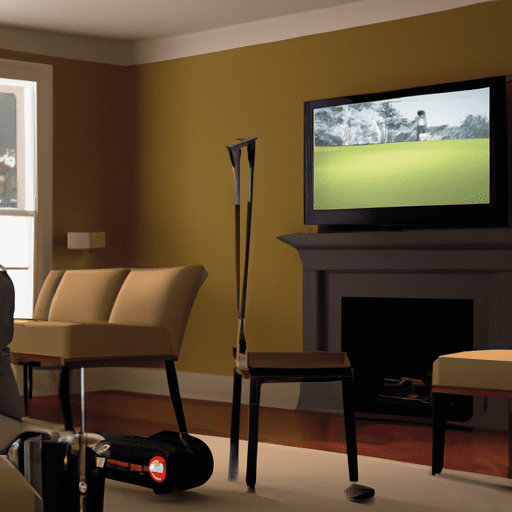
Virtual golf technology has revolutionized the way golf enthusiasts practice their swings and engage in the game. With its immersive and realistic simulation, players can experience the thrill of playing on iconic golf courses from the comfort of their homes. However, despite its incredible advancements, virtual golf technology is not without its limitations and challenges. From the need for adequate space to the limitations in replicating certain aspects of real-life golf, this article will explore the potential obstacles that players may encounter when embracing this innovative technology.
Safety Concerns
Physical Injuries
Virtual golf technology offers players the opportunity to practice their swing without the need for an actual golf course. However, there are potential safety concerns associated with this technology. One of the main risks is the possibility of physical injuries, especially if the player is not careful during their swing. Without the open space of a golf course, players may find it difficult to control their swing and inadvertently hit objects or people in their surroundings. This can result in injuries to both the player and those nearby.
Equipment Malfunctions
Another safety concern related to virtual golf technology is the potential for equipment malfunctions. Virtual golf systems rely on various components, such as sensors, cameras, and projectors, to track the player’s movements and translate them into the virtual world. If any of these components malfunction during gameplay, it can disrupt the player’s experience and potentially cause harm. For example, if a sensor fails to accurately track the player’s swing, the virtual representation of the club may not respond appropriately, leading to frustration and potential injury.
Accuracy and Infrastructure
Data Sensitivity
The accuracy of virtual golf technology is vital to providing a realistic and immersive experience. However, the sensitivity of the data collected by these systems can be a challenge. Virtual golf systems require precise measurements and calculations to ensure accurate feedback on the player’s swing and performance. This data often includes personal information, such as body measurements and swing analytics, which needs to be protected from unauthorized access or misuse. Ensuring the security and privacy of this sensitive data can be a challenge for virtual golf technology providers.
Network Connectivity
Virtual golf technology heavily relies on network connectivity for real-time feedback and multiplayer functionality. However, network connectivity can be a limiting factor in the overall performance of these systems. Poor or unstable internet connections can lead to lag, resulting in delayed responses and reduced accuracy in gameplay. Additionally, network issues can affect multiplayer features, causing disruptions and affecting the overall experience for players. Improving infrastructure and ensuring stable network connections in various locations can be a challenge for virtual golf technology providers.
Cost and Accessibility
Expensive Technology
Virtual golf technology often requires a significant investment, making it inaccessible to some individuals or facilities. The cost of high-quality simulators, specialized hardware, and software can be prohibitive for many golf enthusiasts or smaller establishments. Additionally, the maintenance and ongoing updates required to keep the technology up to date can add to the overall cost. This limitation in affordability can restrict the widespread adoption of virtual golf technology and limit its accessibility to a broader audience.
Limited Access
While virtual golf technology provides an alternative to traditional golf courses, it does not fully replace the experience of playing on a real course. Not everyone has access to the necessary space or infrastructure required to set up a virtual golf system. For individuals living in apartments or locations with limited space, it may be impractical or impossible to install the needed equipment. This limitation in access prevents some players from experiencing virtual golf technology, thereby reducing its reach and impact.
Realism and Player Experience
Lack of Physical Sensations
One of the limitations of virtual golf technology is the lack of physical sensations. Unlike playing on a real golf course, players cannot physically feel the texture of the grass, the wind on their face, or the impact of the ball. While virtual golf systems aim to replicate these sensations through visual and audio cues, the absence of physical feedback can diminish the overall realism of the experience. This limitation affects the player’s immersion and may impact their ability to accurately judge distance, speed, and other factors crucial to their performance.
Inconsistent Environmental Factors
Virtual golf technology attempts to reproduce various environmental factors, such as weather conditions and terrain, to enhance the player’s experience. However, replicating these factors accurately can be a challenge. The virtual environment may not always provide consistent wind patterns, rain, or sunlight, which are critical elements in real golf. This inconsistency can affect the player’s strategy and decision-making during gameplay, making it difficult to translate their skills from virtual to real-world golf.
Technical Issues
Hardware Compatibility
Virtual golf technology relies on a combination of specialized hardware and software to function properly. However, compatibility issues between different components can arise, causing technical difficulties. For example, certain virtual golf systems may require specific types of sensors or cameras that are not compatible with all setups. This can lead to frustrating experiences for players who invest in incompatible equipment or encounter compatibility issues when attempting to upgrade their existing setup. Ensuring hardware compatibility across different systems remains a challenge for virtual golf technology providers.
Software Bugs
Like any technology, virtual golf systems are prone to software bugs and glitches. These issues can disrupt gameplay, affect the accuracy of swing analysis, or even cause the system to crash. Software bugs can stem from coding errors, compatibility issues, or unforeseen interactions between different components of the system. Resolving such bugs requires continuous software updates, thorough testing, and timely bug fixes. The complexity of virtual golf technology software can pose challenges in identifying and addressing all potential bugs, ultimately impacting the user’s experience.
Learning Curve and Skill Transferability
Different Techniques
Virtual golf technology may require players to adjust their technique compared to playing on a real golf course. The virtual environment might have differing physics or responses to certain swing techniques, which may not always translate perfectly to the real-world game. This difference can present a challenge for those who have honed their skills through traditional golf, as they may need to adapt their technique to optimize their performance in a virtual setting. The learning curve associated with mastering these new techniques can be steep, requiring time and practice to develop proficiency.
Lack of Transferable Skills
While virtual golf technology can help players improve their swing and provide valuable feedback, there may be limitations in the transferability of those skills to real-world golf. The muscle memory and hand-eye coordination developed in a virtual setting may not directly translate to the physical demands of playing on an actual course. Factors like terrain variations, weather conditions, and the pressure of competition can significantly impact a player’s performance, and these elements may be absent or altered in virtual golf. The challenge lies in finding ways to bridge the gap between virtual skills and real-world golf proficiency.
Social Interaction
Absence of Personal Interaction
Virtual golf technology can be a solitary experience, lacking the personal interaction that comes with playing on a real golf course. The camaraderie and social aspect of playing golf with friends or fellow enthusiasts may be missing in a virtual setting. While some virtual golf systems offer multiplayer features, they still cannot replicate the same level of personal interaction and bonding that occurs during in-person golf rounds. The absence of personal interaction can be a limitation for those who value the social aspects of the game.
Limited Multiplayer Features
While multiplayer functionality is available in certain virtual golf systems, there may be limitations in terms of the number of players who can participate simultaneously or the ability to compete against players outside of the system’s network. Limited multiplayer features can restrict the opportunities for competitive play and social engagement. To fully replicate the multiplayer experience of real golf, virtual golf technology needs to address these limitations and provide seamless and extensive multiplayer options.
Space and Location
Requirement for Sufficient Space
Virtual golf systems often require a dedicated space to set up the necessary equipment and simulate the gameplay accurately. The space should be large enough to allow players to swing the club freely without any obstructions. This requirement for sufficient space can be a constraint for many individuals, particularly those living in urban areas with limited room. The need for adequate space limits the accessibility and use of virtual golf technology in certain environments, preventing potential players from fully experiencing its benefits.
Lack of Practicality in Certain Areas
In some areas, the installation and use of virtual golf technology may not be practical. This limitation can arise due to various factors, including climate conditions, lack of infrastructure, or regulatory restrictions. For example, extreme weather conditions or limited indoor facilities may make it challenging or impossible to create a suitable environment for virtual golf. Additionally, certain regions or golf establishments may have specific rules or regulations that prohibit or restrict the use of virtual golf systems. These practical limitations hinder the widespread adoption and use of virtual golf technology.
Golf Course Experience
Inability to Replicate Real Course
Despite the advancements in virtual golf technology, there are limitations in replicating the experience of playing on a real golf course. The uniqueness of each golf course, including its layout, design, and natural elements, cannot be fully captured in virtual simulations. While virtual golf systems can provide visually appealing representations of real-world courses, the overall experience may still lack the authenticity and intricacies that come with playing on the physical course. This limitation can affect the enjoyment and satisfaction of players who seek to replicate the full golf course experience.
Limited Variety of Courses
Virtual golf technology often offers a selection of popular golf courses for players to choose from. However, there may be limitations in terms of the variety and availability of courses in virtual simulations. The licensing agreements and resources required to create accurate virtual representations of numerous golf courses can be a challenge for technology providers. As a result, players may be limited to a relatively small number of courses, potentially reducing the variety and novelty of their virtual golf experiences.
Health and Fitness
Reduced Physical Activity
While virtual golf technology provides an opportunity to practice golf skills indoors, it may lead to reduced physical activity compared to playing on a real golf course. The nature of virtual golf does not require players to walk or cover the same distances as they would on an actual course. The limited physical activity associated with playing virtual golf can have implications for overall fitness levels and may not provide the same cardiovascular benefits as traditional golf. Encouraging physical activity alongside virtual golf should be considered to mitigate these potential health risks.
Possible Negative Health Effects
Extended use of virtual golf technology, particularly in virtual reality (VR) or immersive setups, can lead to potential negative health effects. Prolonged exposure to VR environments can cause symptoms such as eye strain, headaches, dizziness, and motion sickness in some individuals. Additionally, repetitive motions associated with swinging a virtual club can lead to muscle strains or injuries if proper form and technique are not maintained. Care should be taken to ensure that users take appropriate breaks and use proper ergonomics to minimize the risk of these health issues.
In conclusion, while virtual golf technology offers numerous benefits and opportunities for golf enthusiasts, there are several limitations and challenges that need to be considered. Safety concerns such as physical injuries and equipment malfunctions must be addressed to ensure a secure and enjoyable experience. Accuracy and infrastructure issues, including data sensitivity and network connectivity, need to be improved to enhance the realism of virtual golf. Cost and accessibility barriers should be overcome to make this technology more affordable and widely accessible. Realism and player experience can be enhanced by focusing on physical sensations and consistent environmental factors. Technical issues, such as hardware compatibility and software bugs, need to be resolved to provide a seamless gameplay experience. Learning curve and skill transferability challenges can be mitigated by adapting techniques and bridging the gap between virtual and real-world golf skills. Social interaction can be improved by facilitating personal interaction and expanding multiplayer features. Space and location limitations should be considered to ensure practicality and widespread use of virtual golf technology. Additionally, efforts should be made to replicate the golf course experience accurately and provide a wide variety of course options. Lastly, health and fitness considerations should address reduced physical activity and potential negative health effects associated with extended use of virtual golf technology. By addressing these limitations and challenges, virtual golf technology can continue to evolve and enhance the golfing experience for players around the world.