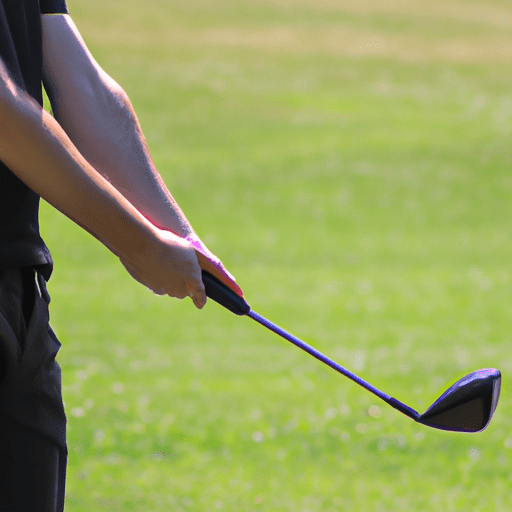
If you’ve ever found yourself in a sticky situation on the golf course, trying to hit a high, soft flop shot over a bunker or obstacle, then “Mastering the Art of the Soft Flop Shot” is the product you’ve been waiting for. Designed to unlock the secret behind this elusive shot, this comprehensive guide will equip you with the skills and techniques needed to elevate your game to new heights. Say goodbye to the frustration of watching your ball soar too far or fall short, and hello to the satisfaction of gracefully landing your shots with precision and finesse. Get ready to add a touch of magic to your golf game with “Mastering the Art of the Soft Flop Shot.”

Understanding the Soft Flop Shot
Definition of the soft flop shot
The soft flop shot is a delicate golf shot that requires a precise touch and finesse around the green. It is typically used when you need to hit the ball high in the air and land it softly on the green, allowing it to stop quickly with minimal roll. This shot is particularly useful in situations where there are obstacles, such as bunkers or water, between you and the pin.
Key elements of the soft flop shot
There are several key elements to a successful soft flop shot. Firstly, it requires a gentle and controlled swing that promotes a high launch angle. Additionally, the clubface must be open at impact to give the ball the necessary loft. Lastly, having soft hands and a smooth tempo throughout the swing allows for proper execution and control.
Advantages of using the soft flop shot
The soft flop shot offers a range of advantages when it comes to navigating challenging situations on the golf course. By utilizing this shot, you can effectively clear obstacles, such as bunkers or tall grass, and land the ball with precision on the green. Additionally, the high trajectory and soft landing minimize the chances of the ball rolling off the putting surface, allowing for better control over distance. Mastering this shot can significantly enhance your scoring potential and give you greater confidence in tackling difficult pins or tight landing areas.
Essential Technique
Grip and setup
A proper grip and setup are crucial for executing the soft flop shot successfully. To begin, grip the club with a slightly weakened grip, favoring the target side hand. This grip helps promote a soft feel throughout the swing. As for the setup, position the ball slightly forward in your stance, closer to your target foot. This ball position encourages a steeper angle of attack and allows for a clean strike on the ball.
Ball position
When it comes to the soft flop shot, ball position plays a significant role in the trajectory and distance control of the shot. As mentioned earlier, placing the ball slightly forward in your stance promotes a steeper angle of attack, resulting in a higher trajectory and softer landing. However, it’s important to experiment with different ball positions to find the one that works best for you in terms of achieving the desired flight and distance.
Swing technique
The swing technique for the soft flop shot differs slightly from a regular full swing. Focus on making a more controlled and compact swing, with an emphasis on accelerating through the ball. Keep your wrists relaxed and hinge them naturally during the backswing to create additional loft. As you swing through the ball, maintain a smooth tempo and avoid any sudden jerky movements. A shallow and steep swing path will produce the desired high trajectory and soft landing.
Perfecting the Setup
Choosing the right club
Selecting the appropriate club is essential for executing the soft flop shot effectively. Generally, a higher lofted wedge, such as a lob wedge or a sand wedge, is best suited for this shot. These clubs offer the necessary loft to get the ball in the air quickly and with minimal roll. However, it’s important to consider factors such as the distance to the pin, the lie of the ball, and the height of the obstacle you need to clear. Adjusting club selection accordingly ensures optimal results.
Optimal stance and posture
Achieving the right stance and posture is crucial for consistency and control when hitting soft flop shots. Stand with your feet slightly wider than shoulder-width apart, with the ball positioned slightly forward in your stance. Bend your knees slightly and maintain a relaxed posture throughout the swing. This setup allows for a stable base and promotes a clean strike on the ball.
Aligning the body and target
Proper alignment is key to hitting accurate soft flop shots. Align your body parallel to the target line, ensuring that your feet, knees, hips, and shoulders are all pointing in the desired direction. Use a nearby target or an intermediate target to align yourself correctly. This alignment helps increase the chances of hitting the ball on the desired trajectory and landing it close to the target.
Addressing the ball correctly
When addressing the ball for a soft flop shot, it’s important to position the clubface open to increase the loft and launch angle. Open the clubface slightly at address, aiming it slightly to the right of the target. This open clubface position ensures that when you swing through the ball, the face will naturally square up, producing the desired trajectory. Trusting the open clubface may feel counterintuitive at first, but with practice, it will become second nature.
Understanding Ball Position and Club Selection
Factors to consider when positioning the ball
When determining the optimal ball position for a soft flop shot, several factors come into play. Firstly, consider the desired trajectory and distance you want to achieve. Placing the ball slightly forward in your stance promotes a higher launch angle and softer landing. Additionally, the lie of the ball and the height of the obstacle you need to clear also impact ball position. Experiment with different positions to find the one that allows for maximum control and consistency.
Club selection for soft flop shots
Choosing the right club for soft flop shots depends on various factors, including the distance, lie, and trajectory you wish to achieve. Typically, a lob wedge or a sand wedge with a higher loft is the preferred choice due to its ability to generate significant height and promote a soft landing. However, it’s important to consider the unique characteristics of each wedge and how they fit your swing and playing style. Experiment with different wedges to discover the one that gives you the desired results consistently.
Mastering the Swing Technique
Focusing on the wrists
Developing proper wrist action is crucial for executing successful soft flop shots. During the backswing, focus on hinging your wrists naturally, allowing the club to swing to a more vertical position. This creates additional loft, increasing the launch angle of the shot. As you swing through the ball, maintain the wrist hinge for as long as possible and release it just before impact to maximize loft and create a soft landing.
Maintaining a smooth tempo
To achieve a high and soft trajectory with your soft flop shots, it’s important to maintain a smooth and controlled tempo throughout the swing. Avoid rushing or decelerating the clubhead through impact. Instead, focus on a consistent and rhythmic swing, allowing the club to generate the necessary speed and loft to hit the ball high in the air. A slow and controlled tempo promotes better contact and control.
Creating an open clubface at impact
One of the key elements of a successful soft flop shot is creating an open clubface at impact. At address, position the clubface slightly open, aiming to the right of the target (for a right-handed player). As you swing through the ball, trust the natural rotation of your forearms and wrists to square the clubface. This natural rotation ensures the clubface is open at impact, imparting the necessary loft and height to the shot.
Executing a shallow and steep swing
The soft flop shot requires a specific swing path to produce the desired trajectory and soft landing. Aim to swing the club on a shallow plane during the backswing, with the clubhead staying close to the ground. This shallow angle allows for maximum loft and elevation. As you transition into the downswing, slightly steepen the swing path by dropping the clubhead and swinging it on a steeper angle. This combination of a shallow backswing and a steep downswing generates the ideal trajectory for soft flop shots.
Developing a Soft Touch
Importance of feel and touch
Having a soft touch is essential when it comes to executing soft flop shots successfully. Developing a sense of feel and touch allows for better control over distance and trajectory. Practicing delicate shots around the green and focusing on the feedback from each shot can help refine your sense of touch. Over time, you will develop the ability to gauge the right amount of power and finesse needed for different soft flop shots.
Developing soft hands and finesse
Soft hands and finesse play a vital role in executing soft flop shots effectively. Maintain a relaxed grip throughout the swing, allowing your hands to be sensitive to the clubhead and the impact with the ball. Avoid squeezing the club tightly, as it can lead to tension and loss of feel. By developing soft hands and finesse, you’ll have greater control over the clubhead and the ability to produce the delicate touch required for soft flop shots.
Practicing delicate shots around the green
To master the soft flop shot, it’s crucial to practice a variety of delicate shots around the green. Set up targets at different distances and experiment with various wedges and ball positions. Focus on executing soft, high shots that land softly and stop quickly. Practicing in different grass conditions and lies will also help you adapt to different scenarios you may encounter on the golf course. Regular practice will build the necessary muscle memory and confidence needed to consistently execute soft flop shots.
Reading the Lie and Evaluating Conditions
Assessing the lie and grass conditions
When preparing to hit a soft flop shot, carefully assess the lie and grass conditions around the ball. If the ball is sitting down in deep rough or thick grass, it may be difficult to get the necessary lift and control on the shot. In such cases, adjustments need to be made, such as selecting a more lofted club and taking a steeper swing path to cut through the grass. Conversely, if the lie is clean and the grass is short, the standard soft flop shot technique can be applied.
Adapting the shot for different situations
Different situations on the golf course require adaptability when executing soft flop shots. For instance, if you need to carry a longer distance and have more roll on the shot, you may choose to use less lofted clubs and adjust your ball position accordingly. Similarly, if you need a shorter, high trajectory shot to stop quickly, opting for a higher lofted club and a more forward ball position will help achieve the desired outcome. Understanding how various factors impact the shot will enable you to adapt and make informed decisions for each situation.
Executing Advanced Flop Shots
Adding spin to the soft flop shot
Adding spin to the soft flop shot can be advantageous in certain situations where it’s necessary to stop the ball quickly on the green. To generate spin, focus on striking the ball with a clean and precise contact. This involves hitting down on the ball slightly, creating a crisp impact. Additionally, opening the clubface slightly more than usual and accelerating through the ball helps generate the necessary spin. However, it’s crucial to practice and experiment with different techniques to achieve the desired spin control.
Hitting higher and softer flop shots
To hit higher and softer flop shots, a few adjustments to your setup and swing technique can make a significant difference. Firstly, open the clubface even more at address to increase the loft. Position the ball slightly forward in your stance, and focus on a steeper swing path. During the swing, hinge your wrists fully and make sure to accelerate through impact. These adjustments, combined with practice, will help you hit flop shots with higher launch angles and softer landings.
Overcoming challenging lies
Challenging lies can present unique difficulties when attempting a soft flop shot. If the ball is sitting on a severe upslope, it can be challenging to generate enough loft to hit a high, soft shot. In such situations, it may be necessary to adjust your technique and club selection. Using a more lofted club and a more open face angle can help achieve the necessary elevation. Conversely, when dealing with a downhill lie, adjustments such as a slightly closed clubface and a more shallow swing can help counteract the slope and still produce a soft landing.
Mental Game and Shot Selection
Understanding risk versus reward
The soft flop shot requires careful consideration of risk versus reward. It’s important to assess the situation and determine whether the shot is worth attempting. Factors such as the lie, the obstacle in front, and the distance to the target influence the risk involved. If the risk of executing the shot outweighs the potential reward, it may be wise to opt for a different shot selection, such as a chip or pitch shot. Understanding risk versus reward helps you make strategic decisions and avoid unnecessary mistakes.
Strategically assessing shot options
Shot selection is vital when it comes to executing a successful soft flop shot. Analyze the obstacles, lie, and distance to the target to determine the most suitable shot option. Consider the variations of the soft flop shot, such as adding spin or hitting a higher trajectory, based on the specific demands of the situation. Strategically assessing shot options allows you to choose the most effective approach that maximizes your chances of success.
Building confidence and trust in the soft flop shot
Confidence and trust in your ability to execute soft flop shots are crucial for consistent performance. Positive reinforcement through practice and successful execution builds confidence over time. It’s essential to trust your technique, decision-making, and shot selection when attempting soft flop shots. By developing a strong mental game and embracing the challenges, you can cultivate the necessary confidence and trust to perform this shot under pressure.
Troubleshooting Common Mistakes
Addressing distance control issues
Distance control is a common challenge when it comes to executing soft flop shots. To address this issue, pay close attention to your swing tempo and the amount of power you apply to the shot. A smooth and controlled tempo, coupled with a consistent swing, promotes better distance control. Additionally, practice different swing lengths and experiment with the speed of your swing to develop a feel for different distances. With time and practice, you’ll be able to consistently gauge the right amount of power needed for soft flop shots.
Avoiding excessive clubface rotation
Excessive clubface rotation is a common mistake that can adversely affect the trajectory and control of the soft flop shot. To avoid this issue, focus on maintaining a stable and quiet clubface throughout the swing. Avoid flipping or rolling the wrists excessively, as it can lead to inconsistent results. By minimizing clubface rotation and keeping it square to the target, you’ll be able to achieve a more predictable and accurate ball flight.
Preventing chunked or bladed shots
Chunked or bladed shots can occur when there is improper contact with the ball during a soft flop shot. To prevent this, ensure that you maintain a descending blow through impact, hitting the ball before the ground. Focus on striking the ball cleanly, avoiding hitting too far behind or scooping at the ball. Practicing crisp and precise ball contact through drills and proper technique will help minimize the occurrence of chunked or bladed shots.
Mastering the soft flop shot requires a combination of technical skills and mental fortitude. By understanding the key elements, practicing the essential techniques, and adapting to different situations, you can develop the ability to hit high, soft flop shots consistently. With patience, practice, and a friendly tone, you’ll be able to add this valuable shot to your repertoire and impress your playing partners with your finesse around the green. So grab your wedge, head to the practice area, and begin mastering the art of the soft flop shot!