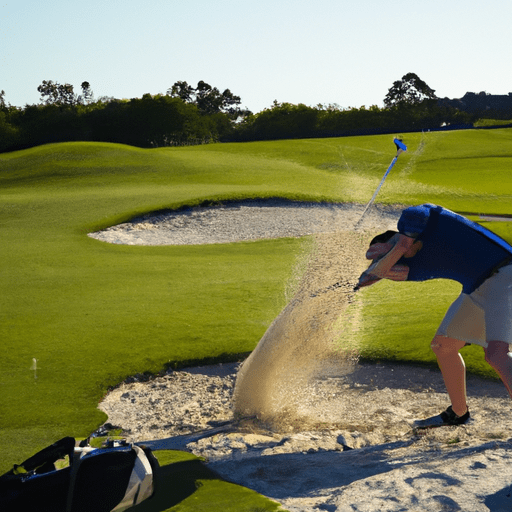
In the pursuit of achieving peak performance in golf, it is imperative to prioritize recovery techniques that can enhance overall physical and mental well-being. This article delves into the various methods that can optimize golf performance, focusing on the key aspect of recovery. By understanding and implementing effective recovery techniques, golfers can mitigate the risk of fatigue, prevent injuries, and sustain their competitive edge on the course. With an emphasis on both physical and mental rejuvenation, this article provides valuable insights and strategies to help golfers elevate their game.
Physical Recovery Techniques
Active Recovery Exercises
Active recovery exercises are an essential component of a golfer’s recovery routine. These exercises involve low-intensity movements that help improve blood flow, promote muscle repair, and reduce post-workout soreness. Examples of active recovery exercises for golfers include light jogging, cycling, swimming, or performing gentle bodyweight exercises. By incorporating active recovery exercises into your routine, you can enhance your body’s ability to recover from the physical demands of a round of golf.
Stretching and Flexibility
Stretching and flexibility exercises play a crucial role in maintaining optimal range of motion and preventing injuries in golfers. Stretching before and after a round of golf helps to warm up the muscles, increase flexibility, and reduce muscle tension. Golf-specific stretches should focus on areas such as the shoulders, hips, hamstrings, and wrists. By incorporating a regular stretching routine into your recovery plan, you can improve your golf swing mechanics and reduce the risk of muscle strains or imbalances.
Massage Therapy
Massage therapy can be a highly effective technique for golfers to aid in their physical recovery. Professional sports massage therapists can target specific muscle groups, applying pressure and various techniques to release muscle tension, improve circulation, and reduce inflammation. Massage therapy not only promotes physical recovery but also provides relaxation benefits and helps golfers manage stress and anxiety. Regular sessions with a skilled massage therapist can contribute to improved performance on the golf course.
Cold Therapy
Cold therapy, also known as cryotherapy, involves the application of cold to help reduce inflammation and promote recovery after a round of golf. Cold therapy can take the form of ice packs, ice baths, or cold showers. This technique helps to constrict blood vessels, reduce swelling, and numb nerve endings, providing pain relief and accelerating the healing process. Incorporating cold therapy into your recovery routine can help alleviate muscle soreness and enhance overall muscle recovery.
Heat Therapy
Heat therapy is another valuable technique for promoting physical recovery in golfers. Applying heat to muscles and joints can help improve blood flow, increase flexibility, and relieve muscle stiffness. Heat therapy can be applied in various forms, such as heating pads, warm showers, or warm towels. By incorporating heat therapy into your recovery plan, you can enhance muscle relaxation, reduce muscle tightness, and improve overall muscle recovery.
Mental Recovery Techniques
Meditation and Mindfulness
Mental recovery is just as important as physical recovery when it comes to optimizing golf performance. Meditation and mindfulness techniques can help golfers calm their minds, improve focus, and reduce stress and anxiety. By dedicating a few minutes each day to meditation or mindfulness practices, such as deep breathing exercises or guided visualization, golfers can enhance their mental clarity and resilience on the golf course.
Visualization Techniques
Visualization techniques involve creating mental images of desired outcomes and scenarios in golf. By vividly imagining successful shots, perfect swings, and ideal performances, golfers can positively impact their mental state and boost confidence. Visualization helps golfers develop a strong mental image of success, improve concentration, and strengthen the mind-body connection necessary for peak performance. Incorporating visualization techniques into your recovery routine can enhance your mental preparation and overall golf performance.
Breathing Exercises
Proper breathing techniques can have a significant impact on a golfer’s mental and physical state. Deep breathing exercises help reduce stress, enhance focus, and regulate heart rate and blood pressure. By practicing diaphragmatic breathing techniques, golfers can activate the body’s relaxation response, stimulating the parasympathetic nervous system. This promotes a state of calmness and mental clarity, allowing for improved decision-making and optimal performance on the golf course.
Positive Self-Talk
Positive self-talk is a powerful mental recovery technique for golfers. By consciously replacing negative thoughts and self-doubt with positive and empowering statements, golfers can boost their confidence and maintain a positive mindset. Positive self-talk helps golfers overcome challenges, handle pressure situations, and maintain focus and motivation. By incorporating positive self-talk into their recovery routine, golfers can cultivate a resilient and optimistic mindset, leading to improved performance on the golf course.
Journaling
Journaling is a tool that can help golfers process their thoughts and emotions, providing an outlet for reflection and self-awareness. By regularly journaling about their golf experiences, golfers can identify patterns, track progress, set goals, and analyze their mental and emotional states. Journaling promotes self-reflection, helps golfers manage stress, and provides a means of finding solutions to challenges. By journaling as part of their recovery routine, golfers can gain valuable insights and enhance their mental wellbeing.
Nutritional Recovery Techniques
Hydration
Proper hydration is crucial for golfers’ physical and mental recovery. Staying hydrated helps maintain optimal cognitive function, energy levels, and overall performance. Golfers should aim to drink water consistently throughout the day and during their rounds to replace lost fluids. Proper hydration helps prevent dehydration, which can lead to fatigue, decreased concentration, and poor decision-making. Make sure to incorporate regular water breaks into your recovery routine to optimize your golf performance.
Optimal Post-Round Nutrition
Consuming the right nutrients after a round of golf is essential for recovery and muscle repair. A balanced post-round meal should include a combination of carbohydrates for replenishing glycogen stores, protein for muscle repair, and healthy fats for reducing inflammation. Focus on consuming nutrient-rich foods such as lean meats, whole grains, fruits, vegetables, and healthy fats like avocados or nuts. Incorporating optimal post-round nutrition into your recovery plan will provide the necessary fuel for muscle recovery and overall wellbeing.
Supplementation
Supplementation can be a beneficial addition to a golfer’s recovery routine, provided it is done under professional guidance. Key supplements for golfers may include omega-3 fatty acids for reducing inflammation, antioxidants for combating oxidative stress, and branched-chain amino acids for muscle recovery and repair. It is important to consult with a healthcare professional or registered dietitian before incorporating any supplements into your recovery plan to ensure they are safe and suitable for your individual needs.
Anti-Inflammatory Foods
Incorporating anti-inflammatory foods into your diet can support recovery and reduce inflammation in the body. Foods rich in omega-3 fatty acids, such as fatty fish, walnuts, and flaxseeds, have anti-inflammatory properties. Additionally, fruits and vegetables, especially those with vibrant colors, are rich in antioxidants and can help reduce inflammation. Including foods like berries, leafy greens, and turmeric in your diet can support your body’s recovery process and promote optimal health.
Adequate Sleep and Rest
Getting sufficient sleep and rest is crucial for recovery and optimal performance in golf. During sleep, the body repairs and regenerates tissues, balances hormones, and restores energy levels. Aim for 7-9 hours of quality sleep each night to support your body’s recovery processes. Additionally, incorporating rest and recovery days into your training routine allows your body to adapt to the physical demands of golf and prevent overuse injuries. Prioritizing sleep and rest as part of your recovery techniques will contribute to improved physical and mental wellbeing on the golf course.
Recovery Techniques for Muscular Health
Foam Rolling
Foam rolling is a self-myofascial release technique that can benefit golfers’ muscular health. By rolling the muscles over a foam roller, golfers can apply pressure and release knots or trigger points, effectively reducing muscle tension and promoting blood flow. Foam rolling can help improve flexibility, increase range of motion, and prevent muscle imbalances in golfers. Incorporate foam rolling exercises into your recovery routine to enhance muscular health and reduce the risk of muscle injuries.
Trigger Point Release
Trigger point release involves applying pressure to specific points of muscle tightness or knots to release tension and promote muscle relaxation. Golfers can use various tools, such as lacrosse balls or massage balls, to target trigger points in areas of muscle tension or discomfort. Trigger point release techniques can help relieve muscle soreness, improve flexibility, and enhance muscular recovery. Incorporating trigger point release into your recovery routine can address areas of muscular tightness or discomfort, improving overall muscular health.
Dynamic Stretching Routines
Dynamic stretching involves performing controlled movements that mimic the actions of the sport. Dynamic stretching before a round of golf helps increase blood flow to the muscles, improve range of motion, and activate the muscles used during the golf swing. Golfers can incorporate exercises such as leg swings, arm circles, and trunk rotations to prepare their bodies for the physical demands of golf. Including dynamic stretching routines in your recovery techniques will enhance muscular functionality and reduce the risk of muscle strains or imbalances.
Yoga for Golfers
Yoga is a valuable practice for golfers to promote muscular health, flexibility, and body awareness. Golf-specific yoga routines can target areas such as the hips, shoulders, and spine, improving mobility, stability, and posture. Yoga helps improve flexibility, core strength, and balance, contributing to a more efficient golf swing and reduced risk of injury. Consider incorporating golf-specific yoga routines into your recovery plan to enhance your overall muscular health and golf performance.
Strength Training
Strength training is a vital component of golfers’ recovery techniques. By incorporating regular strength training sessions, golfers can improve muscular strength, power, and stability, leading to enhanced performance and injury prevention. Golf-specific strength exercises should focus on the muscles used during the golf swing, such as the core, glutes, hips, and upper body. Working with a qualified strength and conditioning coach can help golfers design a tailored strength training program to address their specific needs and optimize their muscular health.
Recovery Techniques for Joint Health
Joint Mobility Exercises
Joint mobility exercises are essential for maintaining healthy and functional joints in golfers. These exercises focus on improving the range of motion, stability, and flexibility of the joints used during the golf swing, such as the hips, shoulders, and wrists. Golfers can incorporate exercises like hip circles, shoulder rotations, and wrist extensions to improve joint mobility and reduce the risk of joint injuries. Including joint mobility exercises in your recovery routine will contribute to optimal joint health and overall golf performance.
Joint Care Supplements
Supplements targeting joint health can be beneficial for golfers experiencing joint discomfort or looking to maintain joint health. Glucosamine, chondroitin, and collagen are common supplements that support joint structure and repair. These supplements can help reduce joint inflammation, promote cartilage health, and support overall joint function. It is important to consult with a healthcare professional or registered dietitian before adding any joint care supplements to your recovery plan to ensure they are safe and appropriate for your needs.
Low-Impact Activities
Engaging in low-impact activities provides an opportunity for joint recovery and reduced stress on the joints. Activities like swimming, cycling, or using an elliptical machine allow for movement without placing excessive strain on the joints. Low-impact activities help improve blood flow, promote joint lubrication, and aid in the removal of metabolic waste products from the joints. By incorporating low-impact activities into your recovery routine, you can support joint health and reduce the risk of joint-related injuries.
Corrective Exercises
Corrective exercises focus on addressing muscle imbalances and movement dysfunctions, which can lead to joint issues. Golfers can work with a qualified strength and conditioning specialist or physical therapist to design a personalized corrective exercise program. These exercises target specific muscles or movement patterns that contribute to joint stress and can help improve joint stability and alignment. Incorporating corrective exercises into your recovery techniques will support healthy joint function and prevent future injuries.
Physical Therapy
Physical therapy can be an invaluable resource for golfers looking to recover from joint injuries or manage chronic joint conditions. A skilled physical therapist can assess your joint health, identify areas of weakness or dysfunction, and create an individualized treatment plan. Physical therapy may involve manual therapy techniques, therapeutic exercises, and functional movements aimed at improving joint range of motion, strength, and overall joint health. Consulting with a physical therapist can provide you with specific strategies to support your joint recovery and maintain optimal functionality on the golf course.
Recovery Techniques for Injury Prevention
Proper Warm-Up before Golfing
A proper warm-up routine before golfing is crucial for injury prevention. Warming up prepares the muscles and joints for physical activity, increases blood flow, and enhances mobility and coordination. Golfers should include dynamic stretching exercises and movements that mimic the golf swing, such as arm circles, trunk rotations, and practice swings. A proper warm-up routine helps prepare the body for the demands of golf and reduces the risk of muscle strains or joint injuries. Make sure to allocate sufficient time to warm up before each round of golf to optimize your injury prevention efforts.
Cool-Down Stretches after Golfing
Cooling down after a round of golf is equally important for injury prevention and recovery. Cool-down stretches help to release tension in the muscles, reduce muscle soreness, and promote relaxation. Golfers should focus on stretching the muscles used during the golf swing, such as the shoulders, hips, and hamstrings. Incorporating static stretches and gentle yoga poses into your cool-down routine can help maintain flexibility, prevent stiffness, and aid in muscle recovery. By dedicating time to cool down properly after golfing, you can support your body’s recovery and minimize the risk of injuries.
Injury Prevention Exercises
Injury prevention exercises specifically target the muscles and movements involved in the golf swing. These exercises aim to strengthen the muscles, improve stability, and enhance the body’s overall resistance to injuries. Working with a qualified strength and conditioning coach or a golf-specific trainer can help design an individualized injury prevention program. These programs may include exercises such as resistance band rotations, core stabilization exercises, and balance drills. Incorporating injury prevention exercises into your recovery plan will help safeguard against common golf-related injuries and support your long-term performance.
Cross-Training
Cross-training involves incorporating other physical activities or sports into your training routine to enhance overall fitness and prevent overuse injuries. Engaging in activities such as swimming, cycling, or weightlifting provides variety, targets different muscle groups, and helps prevent imbalances that can lead to injuries. By cross-training, golfers can improve overall physical conditioning, develop different movement patterns, and reduce the risk of golf-specific injuries. Including cross-training sessions in your recovery techniques will support injury prevention and contribute to your overall golf performance.
Regular Visits to a Sports Physician
Regular visits to a sports physician or sports medicine specialist can be highly beneficial for golfers’ injury prevention efforts. These professionals have specialized knowledge in sports-related injuries and can provide comprehensive evaluations and guidance specific to golf. Regular check-ups with a sports physician can help identify potential risk factors, screen for underlying conditions, and provide guidance on injury prevention strategies tailored to your individual needs. Utilizing the expertise of a sports physician can help you stay ahead of any potential injuries and optimize your performance on the golf course.
Recovery Techniques for Mental Fatigue
Rest Days
Rest days are crucial for mental recovery, allowing the mind to recharge and rebuild mental energy. Engaging in prolonged periods of mental activity, such as practicing or competing in golf, can lead to mental fatigue. Designate specific days in your training schedule as rest days to avoid burnout and reduce mental fatigue. Rest days allow for leisure time, relaxation, and engagement in non-golf activities, providing a mental break and perspective. Prioritizing rest days in your recovery routine will support optimal mental wellbeing and prevent mental exhaustion.
Leisure Activities
Engaging in leisure activities outside of golf contributes to mental recovery and overall wellbeing. Participating in hobbies, spending time with loved ones, or pursuing other interests helps to shift focus away from golf and provides a mental break. Engaging in diverse activities allows the mind to recharge and prevents mental fatigue. Whether it’s hiking, reading, or listening to music, incorporating leisure activities into your recovery routine will support your mental wellbeing and enhance overall golf performance.
Social Engagement
Social engagement is an important aspect of mental recovery. Spending time with friends, family, or fellow golfers provides an opportunity for social connection, laughter, and emotional support. Engaging in social activities can help reduce feelings of stress and anxiety, enhance mood, and promote overall mental wellbeing. Consider organizing social outings, joining golf leagues or clubs, or participating in team-building activities to foster social engagement and mental recovery.
Hobbies and Interests
Pursuing hobbies and interests outside of golf can be rejuvenating and mentally refreshing. Engaging in activities that bring joy and fulfillment can redirect your focus and stimulate different areas of your brain. Whether it’s painting, playing a musical instrument, or pursuing a craft, hobbies and interests provide an outlet for creativity and self-expression. Allocating time for hobbies and interests in your recovery routine will contribute to enhanced mental wellbeing and provide a well-rounded approach to golf performance.
Mindful Breathing Breaks
Taking mindful breathing breaks throughout the day can help alleviate mental fatigue and promote relaxation. Mindful breathing involves focusing your attention on your breath, inhaling deeply through your nose and exhaling slowly through your mouth. These breaks can be as short as a few minutes and can be done anywhere, whether on the golf course, at work, or at home. Mindful breathing breaks help bring awareness to the present moment, reduce stress, and reset your mental state. Incorporating mindful breathing breaks into your recovery techniques will support mental recovery and enhance your golf performance.
Recovery Techniques for Performance Plateaus
Periodization Training
Periodization training involves strategically planning and varying your training program to prevent performance plateaus. By dividing your training into specific periods or phases, golfers can optimize their performance and prevent overtraining. Periodization training incorporates different training intensities, volumes, and focuses throughout the year. By working with a qualified golf coach or strength and conditioning specialist, you can design a periodized training program that includes phases of building strength, improving skills, and peaking for competitions. Incorporating periodization training into your recovery techniques will break through performance plateaus and help you reach new levels of golf performance.
Sports Psychology Coaching
Working with a sports psychology coach can be instrumental in overcoming performance plateaus in golf. These professionals provide guidance and strategies to improve mental skills and mindset, overcome challenges, and elevate performance. Sports psychology coaching can help golfers develop mental toughness, set realistic goals, manage stress, and maintain focus during competitions. By applying mental performance techniques and optimizing mental skills, you can break through performance plateaus and achieve your golfing potential.
Integrating Variety in Training
Integrating variety into your training routine is essential for overcoming performance plateaus. Repetitive training routines can lead to stagnation and decreased motivation. By incorporating new exercises, drills, or training techniques, golfers can stimulate new muscle fibers, challenge their bodies, and enhance performance. Seek guidance from a qualified golf coach or strength and conditioning specialist to introduce variety into your training program, incorporating new challenges and movement patterns. Integrating variety into your recovery routine will promote continual progress and prevent performance plateaus.
Setting Realistic Goals
Setting realistic goals is critical for overcoming performance plateaus in golf. By setting specific, measurable, attainable, relevant, and time-bound (SMART) goals, golfers can stay motivated, track progress, and experience a sense of accomplishment. Break larger goals into smaller, achievable milestones to make progress more tangible and manageable. Regularly reassess and adjust your goals to ensure they remain challenging yet realistic. By setting and pursuing realistic goals, you can break through performance plateaus and redefine what is possible in your golf game.
Analyzing and Adjusting Training Regimen
Analyzing and adjusting your training regimen is necessary to overcome performance plateaus. Assess your current training practices and identify areas that may need modification or improvement. Consider tracking your performance, reviewing training logs, and seeking feedback from coaches or professionals. Analyzing your training regimen allows you to identify weaknesses, imbalances, or areas for improvement. By making thoughtful adjustments to your training program, you can break through performance plateaus and reach new levels of golf performance.
Recovery Techniques for Emotional Wellbeing
Stress Management Techniques
Implementing stress management techniques is crucial for maintaining emotional wellbeing. Techniques such as deep breathing exercises, meditation, yoga, or engaging in relaxing activities can help reduce stress levels. Additionally, prioritizing time for self-care, finding healthy outlets for emotions, and practicing effective time management can help manage stress. By proactively addressing and managing stress, golfers can maintain emotional balance and enhance their overall golf performance.
Seeking Professional Support
Seeking professional support, such as therapy or counseling, can be highly beneficial for addressing emotional challenges and enhancing emotional wellbeing. A qualified mental health professional can help golfers develop coping strategies, manage stressors, and overcome emotional obstacles that may impact their golf performance. Professional support can provide guidance, perspective, and tools to enhance emotional resilience and promote well-being on and off the golf course.
Building a Supportive Network
Building a supportive network of friends, family, and fellow golfers is essential for emotional wellbeing. Surrounding yourself with individuals who provide encouragement, understanding, and positive reinforcement can help combat negative emotions and create a sense of belonging. Engaging in peer support groups or joining golf clubs or leagues can foster a sense of community and provide opportunities for connection and emotional support. By building a supportive network, golfers can enhance their emotional wellbeing and navigate challenges more effectively.
Self-Care Practices
Prioritizing self-care practices is crucial for emotional wellbeing. Engaging in activities that promote relaxation, joy, and self-reflection can help reduce stress and rejuvenate the mind and body. Self-care practices may include activities such as taking leisurely walks, reading, practicing mindfulness, or indulging in hobbies. Allocating time for self-care and incorporating it into your recovery routine can nurture emotional wellbeing and contribute to improved golf performance.
Emotional Release Exercises
Engaging in emotional release exercises provides an outlet for expressing and processing emotions, promoting emotional wellbeing. These exercises may involve journaling, engaging in creative outlets like painting or writing, or practicing mindfulness techniques. By allowing emotions to be acknowledged and expressed in a healthy and constructive way, golfers can release emotional tension and cultivate emotional resilience. Incorporating emotional release exercises into your recovery techniques will support emotional wellbeing and contribute to overall golf performance.
Recovery Techniques for Consistent Sleep Patterns
Establishing a Bedtime Routine
Establishing a consistent bedtime routine is crucial for promoting consistent sleep patterns. A bedtime routine helps signal to the body that it is time to wind down and prepare for sleep. Include relaxing activities such as reading, taking a warm bath, or practicing gentle stretching or meditation. Establish a regular sleep schedule by going to bed and waking up at the same time each day, even on weekends. By establishing a consistent bedtime routine, you can optimize your sleep quality and promote overall recovery.
Creating a Sleep-Friendly Environment
Creating a sleep-friendly environment is essential for consistent and restful sleep. Ensure that your bedroom is dark, quiet, and at a comfortable temperature. Use blackout curtains or an eye mask to block out any light sources that may disrupt sleep. Consider using a white noise machine or earplugs to reduce noise disturbances. Additionally, invest in a supportive and comfortable mattress, pillows, and bedding to enhance sleep quality. By creating a sleep-friendly environment, you can improve the duration and quality of your sleep, promoting optimal recovery.
Limiting Stimulants
Limiting stimulants, such as caffeine and electronic devices, in the evening is crucial for consistent sleep patterns. Avoid consuming caffeine-containing beverages or foods, such as coffee, tea, or chocolate, within several hours of bedtime. The stimulating effects of caffeine can interfere with falling asleep and disrupt sleep quality. Additionally, electronic devices emit blue light, which can suppress the production of melatonin, a hormone essential for sleep. Limit your exposure to electronic devices at least one hour before bed to promote quality sleep and consistent sleep patterns.
Using Technology Mindfully
If you choose to use technology as part of your nighttime routine, do so mindfully. Consider using sleep-tracking apps or sleep aids that provide relaxation exercises or white noise to promote sleep. Use smartphone settings that reduce blue light emissions during nighttime use, such as activating the “Night Shift” mode or using blue light-blocking glasses. Mindfully incorporating technology can enhance your sleep routine and support consistent sleep patterns.
Addressing Sleep Disorders
If you are experiencing consistent sleep disturbances or suspect a sleep disorder, it is important to seek professional advice. Discuss your sleep concerns with a healthcare provider or sleep specialist. They can evaluate your symptoms, conduct sleep studies if necessary, and provide appropriate treatment options. Addressing sleep disorders, such as insomnia or sleep apnea, is crucial for promoting consistent sleep patterns and optimizing your overall recovery and golf performance.
Incorporating a comprehensive recovery routine into your golf regimen is essential for optimizing performance, preventing injuries, and enhancing overall well-being. By utilizing a combination of physical, mental, nutritional, and emotional recovery techniques, you can ensure that you are taking care of every aspect of your body and mind. Experiment with different techniques and find what works best for you, adjusting them as needed along your golf journey. With a well-rounded approach to recovery, you can maintain peak performance and enjoy the game of golf for years to come.