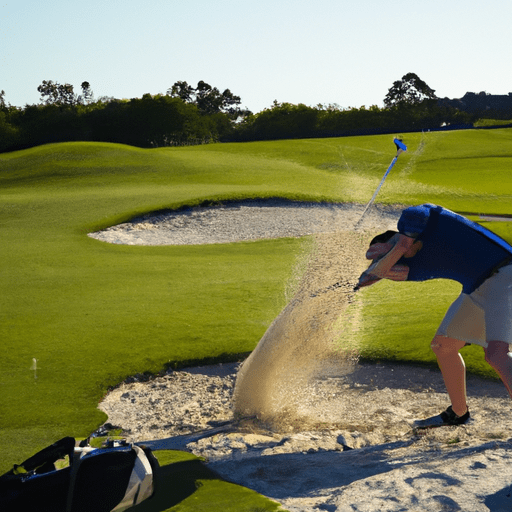
In the fast-paced world of golf, it is crucial for golfers to prioritize their post-round recovery to ensure optimal performance on the course. This comprehensive guide offers a variety of healing techniques specifically tailored for golfers, enabling them to relieve muscle tension, reduce fatigue, and enhance overall recovery. By implementing these techniques into your routine, you will be able to maximize your potential and maintain your competitive edge in the game of golf.
Hydration
Importance of hydration
Hydration is a crucial aspect of post-round recovery for golfers. Proper hydration is essential for the body to function at its best and to aid in the healing process. When you play a round of golf, you expend a significant amount of energy and sweat, leading to dehydration. This can result in fatigue, muscle cramps, and decreased performance in subsequent rounds. By staying well-hydrated, you can ensure that your body has the necessary fluids to transport nutrients to your muscles, maintain proper organ function, and regulate body temperature.
Recommended fluids
When it comes to hydration, water is the best and most readily available option. It is essential to drink water before, during, and after your round of golf. Other recommended fluids include sports drinks and coconut water, which can help replenish electrolytes lost through sweat. However, it is important to be mindful of the sugar content in sports drinks and choose those with lower sugar levels. Avoid excessive intake of caffeinated or alcoholic beverages as they can have a diuretic effect and contribute to dehydration.
Tips for staying hydrated
To ensure proper hydration, it is important to develop a hydration plan and stick to it throughout your golf round. Start by drinking at least 16 ounces of water before teeing off. During the round, aim to drink 8 ounces of water every few holes or as needed. Be mindful of the signs of dehydration, such as dry mouth, dark urine, dizziness, or fatigue, and increase your fluid intake accordingly. It is also helpful to carry a water bottle or use a hydration backpack to have easy access to fluids throughout the round. Remember to continue hydrating after your round to aid in recovery and replenish any fluid losses.
Nutrition
Post-round meal options
Proper nutrition plays a crucial role in post-round recovery for golfers. After a round of golf, it is important to refuel your body with the right nutrients. Aim for a balanced meal that includes a combination of protein, carbohydrates, and healthy fats. Some post-round meal options include grilled chicken or fish with a side of quinoa and roasted vegetables, a turkey or veggie burger with whole wheat bun and a side salad, or a lean steak with sweet potato and steamed broccoli. These meal options provide a good mix of nutrients to aid in muscle repair, glycogen replenishment, and overall recovery.
Importance of protein and carbohydrates
Protein and carbohydrates are particularly important for golfers’ post-round recovery. Protein helps repair and rebuild muscle tissue damaged during your round, while carbohydrates replenish glycogen stores to fuel your next round. Aim to consume approximately 20-30 grams of protein and 50-75 grams of carbohydrates within 30 minutes to an hour after your round. This can be achieved through the aforementioned post-round meal options or by consuming a protein shake with added carbohydrates.
Food to avoid
While it is important to refuel with the right nutrients, there are certain foods that should be avoided after a round of golf. These include high-fat and greasy foods, sugary snacks and beverages, and processed foods. These can hinder your recovery by causing inflammation, digestive issues, and energy crashes. Additionally, it is advisable to limit alcohol consumption after your round, as it can impair the recovery process and dehydrate the body.
Stretching and Warm-up
Pre-round warm-up routine
A proper warm-up routine is essential for preventing injuries and optimizing performance in golfers. Before your round, it is important to engage in dynamic stretches and exercises that mimic the movements you will be performing during your round. This can include arm and shoulder circles, trunk twists, leg swings, and lunges. Gradually increasing the intensity of these exercises will help warm up your muscles and prepare them for the demands of the game.
Benefits of stretching
Stretching is a key component of post-round recovery for golfers. It helps improve flexibility, increase blood flow to the muscles, and reduce muscle soreness and stiffness. Incorporating both static and dynamic stretches into your post-round routine can help promote muscle recovery and prevent injuries. Static stretches, where you hold a stretch for 15-30 seconds, can help relax and lengthen muscles. Dynamic stretches, on the other hand, involve controlled, repetitive movements that gently stretch the muscles and improve joint mobility.
Recommended stretching exercises
Here are a few recommended stretching exercises for golfers to include in their post-round routine:
-
Standing trunk rotation: Stand with your feet shoulder-width apart, arms extended in front of you. Slowly rotate your upper body to the left, then to the right, feeling a gentle stretch in your torso and shoulders. Repeat for 10-12 rotations on each side.
-
Standing quadriceps stretch: Stand tall and bend your left knee, bringing your left foot towards your glutes. Grab your left foot with your left hand and gently pull it towards your glutes, feeling a stretch in the front of your thigh. Hold for 15-30 seconds and repeat on the other side.
-
Seated hamstring stretch: Sit on the ground with your legs extended in front of you. Slowly lean forward from your hips, reaching towards your toes. Hold the stretch for 15-30 seconds, feeling the stretch in the back of your thighs.
-
Shoulder cross-body stretch: Stand tall and extend your right arm across your body. Use your left hand to pull your right arm closer to your chest, feeling a stretch in your shoulder and upper back. Hold for 15-30 seconds and repeat on the other side.
Incorporating these stretches into your post-round routine can help improve flexibility, prevent muscle imbalances, and support overall recovery.
Massage and Self-Massage
Benefits of massage for golfers
Massage is a highly beneficial technique for post-round recovery in golfers. It helps reduce muscle tension, improve blood circulation, and accelerate the removal of metabolic waste products from the muscles. Massage can also alleviate muscle soreness, promote relaxation, and enhance overall well-being. By incorporating massage into your post-round recovery routine, you can experience improved muscle recovery, increased range of motion, and reduced risk of injuries.
Techniques for self-massage
Self-massage techniques can be an effective way to promote post-round recovery in golfers. One technique is using a foam roller to target different muscle groups. For example, you can lie on your back and roll the foam roller along your calf muscles, quadriceps, hamstrings, and glutes. Applying gentle pressure and rolling back and forth can help release tension and knots in the muscles.
Another self-massage technique is using a tennis ball or massage ball to apply pressure to specific trigger points. Place the ball on the floor or against a wall and lean into it, targeting areas of tension or discomfort. You can roll the ball along your feet, calves, back, and shoulders to release tightness and promote muscle relaxation.
Professional massage options
If you prefer a more hands-on approach, seeking professional massage therapy can provide even greater benefits for post-round recovery. Certified massage therapists specialize in various techniques, such as Swedish massage, deep tissue massage, or sports massage, which can be tailored to your specific needs as a golfer. Professional massages can help relieve muscle tension, improve flexibility, enhance circulation, and promote overall relaxation. Consider scheduling regular massages as part of your post-round recovery routine to optimize your golf performance and overall well-being.
Cold Therapy
Ice baths and cold water immersion
Cold therapy, such as ice baths or cold water immersion, can be an effective method for post-round recovery in golfers. Immersing your body in cold water helps constrict blood vessels, reduce inflammation, decrease swelling, and numb pain receptors. This can aid in the recovery process by reducing muscle soreness and accelerating the healing of micro-tears in the muscles.
To perform an ice bath, fill a bathtub or container with cold water and add ice to achieve a temperature of around 50-59°F (10-15°C). Submerge your body in the cold water for approximately 10-15 minutes. It is important to monitor your body’s response and listen to any discomfort or sensations of cold to avoid overexposure.
Benefits of cold therapy
Cold therapy provides several benefits for golfers’ post-round recovery. It helps reduce muscle inflammation and soreness, speed up the recovery process, and relieve pain. The vasoconstriction caused by cold therapy can also help remove metabolic waste products from the muscles and reduce post-exercise swelling. Incorporating cold therapy into your post-round routine can aid in muscle recovery, enhance overall performance, and prevent injuries.
Cold packs and ice massage
In addition to ice baths, cold packs and ice massage can be used to target specific areas of your body. Cold packs, gel packs, or even bags of frozen peas can be applied to areas of muscle soreness or inflammation for 10-15 minutes. This can provide localized relief and reduce swelling.
Ice massage involves using an ice cube to directly massage a specific area of the body. Rub the ice cube in a circular or back-and-forth motion for 5-10 minutes, focusing on areas of tightness or discomfort. This technique helps numb the area, reduce inflammation, and provide pain relief.
Incorporating these cold therapy techniques into your post-round recovery routine can help promote muscle healing, reduce inflammation, and alleviate soreness.
Compression Therapy
How compression garments aid recovery
Compression garments, such as socks, sleeves, or full-body suits, can be beneficial for post-round recovery in golfers. These garments apply graduated pressure to the muscles, aiding in blood circulation and reducing muscle vibration during physical activity. Compression garments help increase oxygen delivery to the muscles, remove metabolic waste products, and reduce swelling and inflammation. This can result in faster recovery, decreased muscle soreness, and improved performance in subsequent rounds.
Benefits of compression socks
Compression socks are a popular choice among golfers for post-round recovery. These socks provide compression to the calves, helping to improve blood flow, reduce muscle fatigue, and prevent the pooling of blood. The increased circulation can enhance recovery by flushing out metabolic waste products and delivering nutrient-rich blood to the muscles. Compression socks can be worn after a round of golf or during long periods of inactivity to support muscle recovery and prevent swelling.
Recovery boots and sleeves
For a more comprehensive compression therapy experience, golfers can consider using recovery boots or sleeves. Recovery boots are inflatable sleeves that cover the legs and provide compression from the feet up to the thighs. These boots utilize dynamic compression, alternating between high and low pressures, to boost blood circulation and enhance recovery. Recovery boots are often used by professional athletes and can be a valuable tool for golfers looking to optimize their post-round recovery.
Recovery sleeves are similar to compression socks but provide coverage for larger muscle groups, such as the calves, thighs, or arms. These sleeves can be worn during or after a round of golf to support muscle recovery, reduce soreness, and improve overall performance.
By incorporating compression garments into your post-round recovery routine, you can experience enhanced recovery, reduced muscle soreness, and improved athletic performance.
Mental Relaxation Techniques
Importance of mental recovery
In addition to physical recovery, it is important to prioritize mental recovery after a round of golf. Golf can be mentally demanding, and it is crucial to give your mind time to relax and rejuvenate. Mental recovery techniques can help reduce stress, improve focus and concentration, and enhance overall well-being. By taking care of your mental health, you can approach future rounds with a clear and refreshed mindset.
Deep breathing exercises
Deep breathing exercises are a simple yet effective technique for promoting mental relaxation and reducing stress. Find a quiet and comfortable space, sit or lie down, and close your eyes. Take a deep breath in through your nose, allowing your abdomen to expand as you fill your lungs with air. Slowly exhale through your mouth, imagining any tension or stress leaving your body with each breath. Repeat this deep breathing pattern for a few minutes, allowing yourself to feel calm and centered.
Visualization and meditation
Visualization and meditation are powerful techniques that can help calm the mind, improve focus, and enhance mental resilience. Spend a few minutes each day visualizing successful rounds and shots, imagining yourself achieving your goals, and experiencing the positive emotions associated with golf. Meditation can also be incorporated into your post-round recovery routine by sitting quietly, focusing on your breath, and allowing your thoughts to come and go without judgment. This practice can help reduce mental clutter, promote relaxation, and improve overall mental well-being.
By incorporating these mental relaxation techniques into your post-round routine, you can enhance your mental recovery, reduce stress, and improve your overall golf performance.
Cross-Training
Benefits of cross-training for golfers
Cross-training refers to engaging in alternative forms of exercise and physical activities that complement your golf training. Cross-training can provide numerous benefits for golfers’ post-round recovery. It helps prevent overuse injuries, improves overall fitness and strength, enhances flexibility, and reduces muscular imbalances. By incorporating different types of exercise into your routine, such as cardio, strength training, or yoga, you can support your golf performance, promote recovery, and improve your overall health.
Recommended cross-training exercises
Here are a few recommended cross-training exercises for golfers to include in their post-round recovery routine:
-
Cardiovascular exercise: Engaging in activities such as swimming, cycling, or brisk walking can improve cardiovascular fitness, increase endurance, and aid in recovery by promoting blood flow to the muscles.
-
Strength training: Incorporating resistance training exercises, such as squats, lunges, and deadlifts, can help improve overall strength, stability, and power in your golf swing. Focus on targeting major muscle groups, including the legs, core, and upper body.
-
Yoga and Pilates: These low-impact exercises focus on flexibility, balance, and core strength. Yoga and Pilates can help improve your range of motion, enhance body awareness, and reduce muscle tension and imbalances. Many golf-specific yoga and Pilates exercises are available to target the specific needs of golfers.
Incorporating these cross-training exercises into your post-round recovery routine can help support your golf performance, prevent injuries, and promote overall fitness and well-being.
Incorporating other sports
Another way to cross-train is by incorporating other sports or recreational activities into your routine. Engaging in sports such as tennis, swimming, or hiking can provide a different physical challenge, help maintain motivation, and expose your body to new movements and stimuli. Additionally, participating in team sports or group activities can add a social element to your post-round recovery, promoting a sense of community and enjoyment.
By embracing cross-training and incorporating a variety of exercises and sports into your routine, you can enhance your golf performance, reduce the risk of overuse injuries, and achieve better overall physical fitness.
Sleep and Rest
Optimizing sleep for recovery
Sleep is a critical component of post-round recovery for golfers. During sleep, your body repairs and rebuilds muscles, consolidates learning and memories, and regulates various physiological processes. Lack of quality sleep can hinder recovery, negatively impact mood and cognitive function, and increase the risk of injuries. It is therefore important to prioritize sleep and optimize its quality to support your golf performance and overall well-being.
To optimize sleep for recovery, establish a consistent sleep schedule by going to bed and waking up at the same time each day. Create a sleep-friendly environment by keeping your bedroom cool, dark, and quiet, and remove electronic devices that emit blue light. Avoid stimulating activities, such as intense exercise or consuming caffeine, close to bedtime. Instead, wind down with relaxation techniques such as deep breathing, reading a book, or taking a warm bath. By prioritizing sleep and creating a bedtime routine, you can support your body’s recovery processes and set the stage for optimal performance.
Importance of rest days
In addition to sleep, it is important to incorporate rest days into your post-round recovery routine. Rest days allow your body time to recover, repair muscle tissue, and replenish energy stores. They also help prevent overtraining, reduce the risk of injuries, and promote mental relaxation. On rest days, engage in light stretching, foam rolling, or low-impact activities such as walking or gentle yoga. By giving your body time to rest and recover, you can optimize your golf performance and protect your long-term health.
Hydrotherapy
Hot tubs and whirlpools
Hydrotherapy, particularly the use of hot tubs and whirlpools, can be beneficial for post-round recovery in golfers. Hot water immersion provides several advantages, including muscle relaxation, improved blood circulation, increased flexibility, and pain relief. Soaking in a hot tub or whirlpool after a round of golf can help alleviate muscle soreness, reduce tension, and promote overall well-being. The warm water can help increase blood flow to the muscles, facilitating nutrient delivery and waste removal. It also promotes muscle relaxation and can be a comforting and enjoyable experience to unwind after a round.
Benefits of hydrotherapy
Hydrotherapy offers a variety of benefits for golfers’ post-round recovery. It helps reduce muscle soreness and stiffness, enhances muscle recovery, improves joint mobility, and promotes relaxation. The buoyancy of water also reduces the impact on joints and provides gentle resistance for a low-impact workout. Hydrotherapy can be particularly beneficial for golfers with joint pain, arthritis, or other musculoskeletal conditions. By incorporating hydrotherapy into your post-round routine, you can support muscle recovery, reduce pain, and enhance your overall golf performance.
Alternating hot and cold water therapy
An advanced form of hydrotherapy involves alternating between hot and cold water therapy. This technique, known as contrast water therapy, involves immersing the body in hot water for a few minutes, followed by a brief immersion in cold water, and repeating the cycle multiple times. The contrast of hot and cold water helps enhance circulation, reduce inflammation, and promote muscle recovery. This technique can be particularly effective for minimizing muscle soreness, reducing swelling, and optimizing recovery after a demanding round of golf.
Incorporating hydrotherapy, particularly hot tubs, whirlpools, or contrast water therapy, into your post-round recovery routine can provide a refreshing and effective method to promote muscle relaxation, reduce soreness, and optimize recovery.
In conclusion, post-round recovery plays a crucial role in optimizing a golfer’s performance and overall well-being. By incorporating the various healing techniques discussed in this comprehensive guide, such as hydration, nutrition, stretching and warm-up, massage and self-massage, cold therapy, compression therapy, mental relaxation techniques, cross-training, sleep and rest, and hydrotherapy, golfers can support their body’s recovery processes, reduce the risk of injuries, enhance muscle recovery, and improve their golf performance. Remember to listen to your body and consult with healthcare professionals or experts to ensure these techniques are tailored to your specific needs and circumstances. By prioritizing post-round recovery, you can achieve peak performance on the golf course and enjoy the game for years to come.