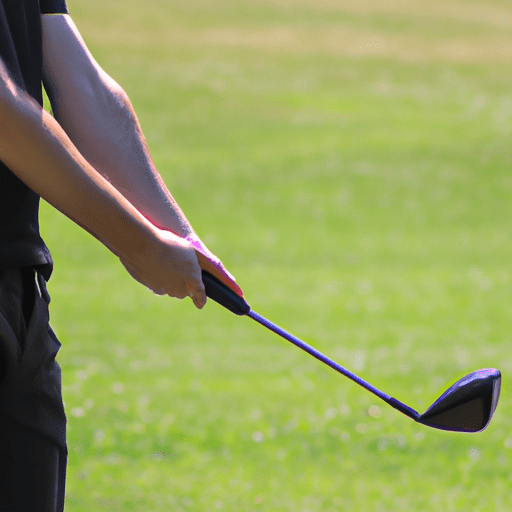
Are you tired of feeling tense and stressed out during your golf swings? Well, look no further, because this article is here to help you discover the ultimate relaxation techniques for a better golf swing. We all know that maintaining a sense of calm and composure is crucial for achieving consistent and accurate hits on the course. So, whether you’re a seasoned golfer or just starting out, these relaxation techniques will not only enhance your game but also bring a sense of tranquility to your overall golfing experience. So grab your clubs and get ready to swing with ease and confidence!
Importance of Relaxation in Golf Swing
When it comes to golf, relaxation plays a crucial role in improving your overall performance. The muscles in your body need to be loose and tension-free to execute a smooth and powerful swing. Additionally, relaxation enhances your focus and concentration, allowing you to stay mentally present throughout the game. It also aids in developing better coordination and balance, which are critical for a consistent and accurate swing. In this article, we will explore various techniques and strategies to help you relax both physically and mentally to achieve a better golf swing.
Physical Techniques for Relaxation
Proper breathing techniques
One of the fundamental physical techniques for relaxation in golf is proper breathing. Deep breathing exercises help calm your nervous system, reduce muscle tension, and promote a sense of overall relaxation. When you inhale deeply through your nose, hold the breath for a moment, and exhale slowly through your mouth, you allow your body to release any tension and clear your mind. Practice this breathing technique during your pre-shot routine or when you feel any anxiety or stress building up during the game.
Stretching exercises
Engaging in stretching exercises before and after your golf game can have a significant impact on your relaxation levels. Stretching helps loosen tight muscles, increases flexibility, and improves blood circulation. Incorporate stretches that target your upper and lower body, focusing on areas such as the shoulders, back, hips, and legs. By incorporating stretching into your routine, you can release muscle tension and promote relaxation in your body.
Yoga and Pilates
Yoga and Pilates are excellent practices for golfers seeking physical relaxation techniques. Both of these disciplines combine movement, breath control, and mindfulness to create a balanced and relaxed state. Yoga can enhance flexibility, strength, and body awareness, while Pilates focuses on core strength, stability, and control. By incorporating these practices into your routine, you can improve your golf swing by cultivating a relaxed and centered mind-body connection.
Mental Techniques for Relaxation
Visualization and imagery
Visualization and imagery can be powerful tools to help you relax your mind and enhance your golf performance. Spend a few moments before each shot visualizing a successful swing and seeing the ball landing exactly where you want it to. By vividly imagining yourself executing the perfect swing and achieving your desired outcome, you create a positive mindset and can reduce anxiety or nervousness. This mental technique helps you relax and focus on the task at hand.
Positive self-talk
The way you talk to yourself can greatly impact your mental state in golf. Replace negative and self-critical thoughts with positive and affirming statements. By using positive self-talk, you can build confidence, reduce stress levels, and promote relaxation. Instead of dwelling on past mistakes, remind yourself of your strengths and capabilities. Cultivating a positive internal dialogue will help you stay mentally relaxed and focused throughout your game.
Mindfulness meditation
Practicing mindfulness meditation can have profound effects on your mental relaxation in golf. Mindfulness involves non-judgmentally paying attention to the present moment and being fully aware of your thoughts, sensations, and surroundings. By practicing mindfulness during your game, you can let go of distractions and unwanted thoughts, which can contribute to tension and anxiety. Engaging in short meditation sessions before or during your game can help you find a sense of calmness and relaxation.
Utilizing Technology for Relaxation
Biofeedback devices
Biofeedback devices can be a valuable tool in helping you achieve relaxation during your golf swing. These devices provide real-time feedback on your body’s physiological responses, such as heart rate, muscle tension, and skin temperature. By using biofeedback devices, you can become more aware of when your body is becoming tense and learn techniques to relax those specific areas. This awareness and control can significantly impact your golf swing and overall performance.
Virtual reality training
Virtual reality (VR) training is emerging as a way to improve relaxation and performance in golf. VR simulations can immerse you in realistic golf course environments, allowing you to practice your swing in a controlled setting. By utilizing VR training, you can build muscle memory, increase confidence, and reduce anxiety. The immersive nature of VR can help you relax and visualize your shots in a more realistic and engaging way.
Neurofeedback techniques
Neurofeedback techniques focus on training your brainwaves to achieve a desired state of relaxation. By using sensors to monitor brainwave activity, neurofeedback can provide visual or auditory feedback to help you learn how to achieve a relaxed mental state. This technique can be particularly helpful for golfers looking to reduce performance anxiety or improve focus. Incorporating neurofeedback into your training routine can enhance your ability to relax and perform at your best on the golf course.
The Power of Music for Relaxation
Choosing the right tempo and rhythm
Music has the power to influence our mood and help us relax. When selecting music for relaxation, consider choosing tracks with a slower tempo and a soothing rhythm. This type of music can help slow down your heart rate and induce a sense of calmness. Experiment with different genres, such as classical, instrumental, or ambient music, to find what works best for you. Remember, the key is to find music that promotes relaxation and allows you to enter a focused and tranquil state.
Creating a personalized playlist
Creating a personalized playlist of relaxing music can greatly enhance your golf experience. Compile a collection of songs that evoke positive emotions, reduce stress, and help you enter a state of relaxation. This playlist can be utilized during your pre-round routine, practice sessions, or even during actual gameplay. The familiarity and calming nature of the music will help you maintain a relaxed state of mind and enhance your overall performance on the golf course.
Incorporating music into pre-round routine
Integrating music into your pre-round routine can set the tone for a relaxed and focused game. Before heading to the golf course, designate some time for yourself to listen to calming music. This can help you mentally prepare, reduce any pre-game jitters, and promote relaxation. By incorporating music into your routine, you create a consistent and enjoyable ritual that contributes to a more relaxed mindset and ultimately improves your golf swing.
Massage Therapy for Relaxation
Benefits of sports massage
Massage therapy, specifically sports massage, can be highly effective in promoting relaxation in golfers. Sports massage focuses on addressing specific muscle groups used during the game, releasing tension, and improving overall blood circulation. The deep pressure applied during massage sessions can help relax tight muscles, relieve stress, and enhance your range of motion. Regular sports massages can contribute to improved flexibility, reduced muscle soreness, and help prevent injuries.
Trigger point therapy
Trigger point therapy is a technique used in massage therapy to target specific areas of muscle tension or knots, known as trigger points. By applying direct pressure on these trigger points, the therapist can release muscle tension, alleviate pain, and promote relaxation. Incorporating trigger point therapy into your routine can help you address any chronic muscular issues that may be affecting your golf swing. Regular therapy sessions can contribute to a more relaxed and optimal performance on the golf course.
Self-massage techniques
Even if you can’t access a professional massage therapist regularly, you can still benefit from self-massage techniques. Foam rolling, using massage balls, or applying gentle pressure with your hands can help release tension in your muscles and promote relaxation. These self-massage techniques can be especially useful before and after your golf game, as well as during breaks between shots. By taking a few minutes to massage specific muscle groups, you can alleviate tension and maintain a relaxed state for a better golf swing.
Learning from the Pros
Observing professional golfers
Watching and studying professional golfers can provide valuable insights into relaxation techniques. Observe their body language, how they carry themselves, and their overall composure on the golf course. Pay attention to how they stay relaxed during their swings, maintaining a balance between focus and relaxation. By studying the pros, you can learn from their techniques and adopt their relaxed approach to improve your own golf game.
Study their pre-shot routines
Professional golfers often have well-established pre-shot routines that help them find a state of relaxation and focus before each swing. Pay close attention to how they prepare themselves physically and mentally before addressing the ball. Take note of any breathing techniques, stretching exercises, or visualization strategies they employ. By incorporating elements of their pre-shot routines into your own routine, you can develop a more relaxed and consistent golf swing.
Analyzing their mental approach
In addition to physical techniques, professional golfers employ various mental strategies to stay relaxed during their games. Observe how they manage stress, handle challenging situations, and overcome obstacles on the golf course. Pay attention to their mindset, their ability to let go of past mishaps, and their positive self-talk. By analyzing their mental approach, you can gain valuable insights into how relaxation can improve your golf swing and overall performance.
Taking Breaks for Relaxation
Importance of rest between shots
Taking breaks between shots is crucial for maintaining relaxation during a round of golf. Use the time between shots to relax your body and clear your mind. Take slow deep breaths, stretch your muscles, and allow yourself a moment to rest mentally. This brief interlude can help you release any tension that may have built up and reset your focus for the next shot. Remember, golf is a game that requires both physical and mental stamina, and taking breaks ensures you can sustain a relaxed and optimal performance.
Using distraction techniques
During breaks between shots, distracting your mind from the game can help promote relaxation. Engage in light conversation with your fellow golfers, enjoy the natural surroundings, or focus on something unrelated to golf. By diverting your attention away from the game for a short while, you give your mind and body a chance to recharge and relax. Develop a repertoire of distraction techniques that work for you and implement them during your breaks for optimal relaxation.
Practicing mindfulness during breaks
Mindfulness can be practiced not only during the golf swing but also during breaks between shots. Take a moment to observe your surroundings, connect with your breath, and pay attention to the sensations in your body. By practicing mindfulness during breaks, you bring yourself into the present moment, release any worries or distractions, and foster a state of relaxation. Mindfulness can be a powerful tool for maintaining a calm and focused mindset throughout your entire golf game.
The Role of Nutrition in Relaxation
Eating for optimal energy levels
The food you consume has a direct impact on your energy levels and overall relaxation. Opt for a balanced diet that includes lean proteins, whole grains, fruits, and vegetables. Avoid consuming heavy or greasy foods before a round of golf, as they can lead to sluggishness and discomfort. Proper nutrition can provide you with the sustained energy you need to stay physically and mentally relaxed throughout your game.
Hydration and its impact on relaxation
Staying properly hydrated is essential for relaxation and optimal golf performance. Dehydration can lead to fatigue, muscle cramps, and decreased focus. Make sure to drink water regularly throughout your golf game, especially during hot weather. Avoid excessive consumption of sugary or caffeinated beverages, as they can have a dehydrating effect. By maintaining proper hydration levels, you support your body’s ability to relax and perform at its best.
Pre-round meal planning
Planning your pre-round meal can significantly impact your relaxation levels on the golf course. Aim to consume a balanced meal that combines carbohydrates for energy and lean proteins for sustained muscle function. Include fruits or vegetables for additional vitamins and minerals. Avoid heavy or spicy foods that may cause discomfort or indigestion during your game. By fueling your body with the right nutrients, you provide it with the necessary resources to relax and perform optimally on the golf course.
Finding Your Personal Relaxation Technique
Experimenting with different methods
Finding the ultimate relaxation technique for your golf swing may require some experimentation. Try out different physical and mental techniques discussed in this article and see which ones resonate with you the most. It’s important to remember that everyone is unique, and what works for one person may not work for another. Be open to exploring various relaxation methods until you find the ones that help you achieve a relaxed and fluid golf swing.
Seeking guidance from professionals
If you’re struggling to find the right relaxation techniques, consider seeking guidance from professionals. Golf instructors, sports psychologists, and certified fitness trainers can provide personalized advice and strategies tailored to your specific needs. These professionals have extensive knowledge and experience in helping golfers improve their relaxation levels and enhance their overall performance. Don’t hesitate to reach out to them for valuable insights and support.
Personalizing your routine
Once you’ve discovered the relaxation techniques that work best for you, it’s essential to personalize your routine. Adapt the techniques to fit your unique preferences, schedule, and golf game. Experiment with different sequences, combine techniques, and refine your routine over time. By personalizing your relaxation routine, you create a consistent practice that supports your relaxation and enhances your golf swing.
In conclusion, relaxation is a key aspect of achieving a better golf swing. By incorporating physical techniques such as proper breathing, stretching exercises, and practices like yoga and Pilates, you can relax your muscles and improve your swing. Additionally, employing mental techniques such as visualization, positive self-talk, and mindfulness meditation can help you cultivate a relaxed and focused mindset. Utilizing technology, such as biofeedback devices, virtual reality training, and neurofeedback techniques, can further enhance your relaxation levels. Music, massage therapy, learning from the pros, taking breaks, and focusing on nutrition also contribute to a more relaxed golf game. Remember to find a personal relaxation technique that works for you, experiment with different methods, seek guidance from professionals, and personalize your routine. With dedication and practice, you can achieve a more relaxed and fluid golf swing, leading to improved performance on the golf course.