
Whether you’ve recently picked up a golf club or have been contemplating joining the sport, understanding the fundamentals and rules can seem daunting at first. In this article, we aim to simplify the game of golf by answering common queries that beginners often find themselves grappling with. Whether it’s deciphering the meaning behind golf jargon or unraveling the complexities of scoring, we’ll provide you with clear and concise answers, equipping you with the knowledge needed to confidently tackle the golf course.
Basic Golf Terminology
What is a tee box?
A tee box is the designated area on a golf hole where the ball is initially placed for the first stroke. It is typically a flat area made of grass or artificial turf, and it is marked by tee markers. Players tee off from the tee box, aiming to hit the ball straight down the fairway towards the green.
What is a fairway?
The fairway is the carefully manicured strip of grass that runs from the tee box to the green. It is usually cut shorter than the rough, which is the longer, less well-maintained grass that surrounds the fairway. Hitting the ball accurately and landing it on the fairway gives players a better chance of making a good subsequent shot.
What is a green?
The green refers to the area on the golf course where the hole is located. It is a small, highly maintained area covered in short-cut grass. The green is usually slightly elevated and contains a flagstick and hole. The objective of the game is to hit the ball onto the green and putt it into the hole.
What is a bunker?
A bunker, also known as a sand trap, is a hazard on the golf course. It is a depression filled with sand, often strategically placed near the fairway or green to challenge players. If a ball lands in a bunker, it can be difficult to hit it out due to the soft and uneven surface. Players must use their skill to escape the bunker and continue the game.
What is a putt?
A putt is a stroke made on the green, typically aiming to roll the ball into the hole. It is a gentle and controlled stroke used to navigate the undulations and slopes of the green. Putts are crucial for completing a hole and achieving a low score.
What is a birdie?
In golf scoring, a birdie is a term used when a player completes a hole with one stroke under par. It signifies that the player accomplished the hole in a better score than expected. For example, if a player completes a par 4 hole in 3 strokes, they have made a birdie.
What is a handicap?
A handicap is a numerical measure of a golfer’s ability. It is used to level the playing field when players of different skill levels compete against each other. The lower the handicap, the more skilled the golfer. Handicaps allow players to compete fairly by reducing the number of strokes they are given based on their ability.
What is a caddie?
A caddie is a person who accompanies a golfer during a round and assists them by carrying their golf bag, providing advice, and helping with course navigation. A caddie can offer valuable insights into the course, suggest the appropriate clubs to use, and provide moral support to the golfer.
What is par?
Par is the predetermined number of strokes that an expert golfer is expected to complete a hole or a course in. It is an important reference point for scoring. For example, if a hole is a par 4, players aim to complete it in four strokes. Scoring below par is considered good, while scoring above par indicates that more strokes were required.
What is a golf club?
A golf club is the specialized equipment used to hit the golf ball. It consists of a shaft, grip, and clubhead. Golf clubs come in different types, each designed for specific shots and distances. Common types of golf clubs include drivers, irons, wedges, hybrids, and putters. Players select the appropriate club depending on the length and accuracy required for the shot.

Equipment Needed to Play Golf
What type of golf clubs do I need?
To play golf, you generally need a set of golf clubs that includes a driver, irons, wedges, and a putter. The driver is used for long shots off the tee, while irons are suitable for shorter shots from the fairway. Wedges are helpful for shots that require a high trajectory, such as bunker shots or approach shots. The putter, as mentioned earlier, is used on the green to roll the ball into the hole. The number of clubs in a set may vary, but a standard set typically includes a driver, a few irons (3 to 9), a pitching wedge, a sand wedge, and a putter.
What other equipment do I need?
In addition to golf clubs, there are other essential equipment pieces you will need to play golf. These include golf balls, golf gloves, golf tees, a golf bag, and a golf hat or visor. Golf balls are designed specifically for the game and come in various brands and models. Golf gloves provide grip and help prevent blisters while swinging the club. Golf tees are used to elevate the ball off the ground when teeing off. A golf bag is essential for carrying and organizing your clubs and other accessories. Lastly, a golf hat or visor protects your face and eyes from the sun while playing.
Should I buy or rent golf clubs?
Whether to buy or rent golf clubs depends on several factors. If you’re a beginner and unsure whether you will continue playing golf regularly, it may be more cost-effective to rent clubs from a golf course or pro shop. Renting clubs allows you to try different club types and sizes before investing in your own set. However, if you are committed to playing golf long-term, purchasing your own set of golf clubs is recommended. Owning clubs allows you to practice and play whenever you want, and you can select clubs that suit your playing style and preferences.
What should I wear when playing golf?
When playing golf, it is generally expected to dress in appropriate attire. Most golf courses have specific dress codes that require players to wear collared shirts, golf pants or shorts, and golf or athletic shoes. T-shirts, tank tops, jeans, and flip-flops are typically not permitted. It is best to check the dress code of the specific golf course you plan to play at to ensure you are dressed appropriately.
Do I need golf shoes?
While not mandatory, golf shoes are highly recommended for playing golf. Golf shoes are specially designed with spikes or grip-enhancing soles that provide stability and traction during the golf swing. They help prevent slipping and allow players to maintain balance throughout the swing. Golf shoes also protect the grass and maintain the condition of the golf course. If you choose not to wear golf shoes, it is advisable to wear athletic or tennis shoes with good traction.
Do I need a golf bag?
Having a golf bag is essential for carrying and protecting your golf clubs and other equipment. A golf bag allows you to conveniently organize your clubs and accessories, making them easily accessible during your round. Golf bags come in various sizes and styles, including stand bags, cart bags, and carry bags. Stand bags have built-in legs that prop the bag upright, cart bags are larger and designed to be carried on golf carts, while carry bags are lightweight and designed to be carried on your back during walking rounds.
Do I need golf balls?
Yes, golf balls are a necessary component of the game. Golf balls are specifically designed to provide optimal flight and performance. It is recommended to have at least a dozen golf balls in your bag, as they can get lost or damaged during a round. The type and brand of golf balls you choose may depend on your skill level and personal preference. Beginners generally opt for softer, lower-compression balls, while more advanced players may prefer higher-compression balls for increased control and distance.
Do I need golf gloves?
Wearing golf gloves is not a requirement, but they are beneficial for many golfers. Golf gloves provide improved grip, which helps prevent the club from slipping during the swing. They also protect the hands from developing blisters and help absorb sweat, keeping the hands dry. Most golfers wear a glove on their non-dominant hand (left glove for right-handed golfers and vice versa). It is recommended to have at least one golf glove, although many golfers prefer wearing gloves on both hands for a more secure grip.
Do I need golf tees?
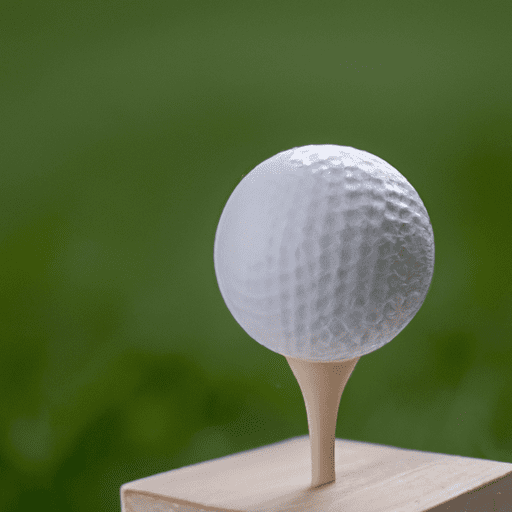
Golf tees are small pegs, typically made of wood or plastic, that are used to elevate the ball off the ground when teeing off. They are necessary when starting a hole from the tee box. While most golf courses provide tees on the tee box, it is good to have a few tees of your own. When purchasing tees, consider selecting different heights to accommodate different club types and personal preferences. Longer tees are used for drivers, while shorter tees are suitable for irons and wedges.
Do I need a golf hat or visor?
Wearing a golf hat or visor is a personal choice, but it is recommended for sun protection and to enhance visibility. Golf hats or visors shield your face, eyes, and scalp from the sun during your round. They can also help prevent the sun’s glare from affecting your vision. Additionally, hats or visors with a brim can keep sweat from running into your eyes. Choose a hat or visor that fits comfortably and provides adequate sun protection.
Golf Rules and Etiquette
What are the basic rules of golf?
The rules of golf serve as guidelines to ensure fair play and integrity. While the official rules of golf can be extensive and intricate, there are some basic rules that all golfers should be familiar with:
- Play the course as you find it: Do not move or touch the ball unless permitted by the rules.
- Play the ball as it lies: Generally, the ball must be played from where it comes to rest, unless specific relief is allowed.
- Play in turn: Players should take turns hitting their shots, with the player furthest from the hole playing first.
- Penalty strokes: If a player violates a rule, they may be subject to penalty strokes added to their score.
- Out of bounds: If a player’s ball goes out of bounds, they must take a penalty stroke and replay the shot from the original location.
- Lost ball: If a player cannot find their ball within a certain time, they must take a penalty stroke and replay the shot.
- Honoring the game: Golf is a game of integrity and sportsmanship. Players should be honest and respectful towards others on the course.
What is the penalty for hitting a ball out of bounds?
When a player hits a ball out of bounds, they are subject to a penalty stroke and must replay the shot from the original location where the ball was last played. The stroke and distance penalty ensures that hitting out of bounds carries a significant consequence in terms of score. It is important to accurately identify and declare a ball as out of bounds to comply with the rules and maintain the integrity of the game.
Can I move my ball if it’s in a bad lie?
Generally, a player must play the ball as it lies. However, there are certain situations when a player is allowed to move or take relief from a bad lie. Some common situations where relief is permitted include when the ball is in a water hazard, a lateral water hazard, an unplayable lie, or an abnormal ground condition. Each situation has specific rules and procedures for taking relief, which should be consulted to determine the appropriate course of action.
Do I have to replace divots on the fairway?
While it is not mandatory, it is considered good etiquette to replace divots on the fairway. Divots are chunks of grass that are displaced when a player strikes the ball. Replacing divots helps maintain the condition of the fairway and allows the grass to recover more quickly. If you take a divot, make an effort to replace it or use the provided seed and sand mixture to repair the area. This ensures that future players have a smooth and enjoyable playing surface.
What is proper golf etiquette?
Golf etiquette refers to the informal rules and code of conduct that golfers are expected to follow while on the course. Some common elements of proper golf etiquette include:
- Respect others: Be considerate of other players on the course. Avoid loud noises, unnecessary distractions, and refrain from talking or moving while someone is taking their shot.
- Keep up the pace: Play at a reasonable pace to maintain a steady flow of play. Be mindful of the groups ahead and play efficiently to avoid slow play.
- Take care of the course: Repair divots, fix ball marks on the green, and rake bunkers to leave them in good condition for others.
- Be aware of your surroundings: Avoid walking unnecessarily on your playing partner’s putting line, and be cautious of where you stand or position your bag to not interfere with other players.
- Follow the rules: Familiarize yourself with the basic rules of golf and abide by them during your round. This ensures fair play and maintains the integrity of the game.
How should I behave on the golf course?
Behaving appropriately on the golf course is essential for a pleasant and enjoyable experience for all players. Some general guidelines for behavior on the golf course include:
- Be courteous: Treat your playing partners, fellow golfers, and course staff with respect and courtesy. Offer encouragement and congratulations for good shots and good scores.
- Be punctual: Arrive at the golf course on time for your tee time to avoid delays for other players. Allow faster groups to play through if you fall behind pace.
- Be prepared: Have your equipment ready, know the course layout, and be aware of the rules and etiquette before starting your round.
- Silence electronic devices: Turn off or put your phone on silent mode during your round. Using electronic devices for non-golf related purposes can disrupt other players and is generally considered impolite.
- Be mindful of pace of play: Keep up with the group ahead of you and be ready to hit when it’s your turn. Excessive delays can frustrate other golfers and slow down the entire course.
How do I keep score in golf?
Keeping score in golf is a fundamental aspect of the game. To keep score, players record the number of strokes taken on each hole. The objective is to complete each hole by hitting the ball into the hole in the fewest number of strokes possible. Each stroke counts as one point, and the total number of strokes for all holes played determines the player’s score for the round. It is common practice to compare scores with fellow players and use the score to determine the winner of a match or competition.
What happens if my ball lands in a hazard?
When your ball lands in a hazard, such as a water hazard or a bunker, specific rules apply. If your ball is in a water hazard, you have a few options. You can play the ball as it lies, attempting to hit it out of the hazard, but be mindful of the added challenge. Alternatively, you can take penalty relief by dropping a ball behind the hazard, keeping the point where the ball last crossed the margin of the hazard directly between the hole and the spot where you drop the ball.
If your ball lands in a bunker, you must play the ball as it lies. Special rules apply to bunker shots, such as not grounding your club in the sand before taking the shot. It is important to be mindful of the rules and etiquette when navigating hazards to avoid additional penalties.
Can I use my phone on the golf course?
The use of phones on the golf course is typically discouraged, especially during competitive play or when playing with others. It is generally considered respectful and good etiquette to silence or turn off your phone and refrain from using it for non-golf-related activities while on the course. Using your phone for non-golf purposes can disrupt other players and distract you and others from the game. However, there may be exceptions, such as emergency situations or specific rules or guidelines set by the golf course.
When is it acceptable to talk while playing golf?
While golf is often played at a relaxed pace, it is generally expected that during a player’s swing or when others are addressing the ball, there should be minimal talking to avoid distractions. It is considered good etiquette to wait until players have completed their shots or when they are away from the immediate vicinity before engaging in conversation. However, during casual rounds or in non-competitive situations, there may be more leeway for conversation. It is essential to be aware of the etiquette of the golf course and the expectations of your playing partners to determine appropriate times for conversation.
Golf Swing Basics
What is a golf swing?
A golf swing refers to the motion a golfer makes to strike the ball and propel it toward the intended target. It is a complex movement that involves the rotation and coordination of the body, arms, and club. The golf swing aims to generate power, accuracy, and consistency to achieve a successful shot.
What are the main components of a golf swing?
The golf swing can be broken down into several main components:
- Stance: The proper setup and alignment of the body before initiating the swing. This includes the positioning of the feet, knees, hips, and shoulders relative to the target and the ball.
- Backswing: The initial movement where the club is taken away from the ball and swung backward. This involves the rotation of the shoulders, hips, and wrists while maintaining balance and control.
- Downswing: The transition from the backswing to the forward movement of the club towards the ball. This is where the power and speed of the swing are generated.
- Impact: The moment when the club strikes the ball. It requires proper timing, accuracy, and solid contact between the clubface and the ball.
- Follow-through: The continuation of the swing after the ball is struck. It involves the rotation and extension of the body to a balanced and relaxed finish position.
What is the correct grip for a golf club?
The grip is how a golfer holds the golf club. A proper grip is essential for control, power, and consistency in the golf swing. There are several grip styles, but the most common is the overlapping grip, also known as the Vardon grip. To achieve this grip:
- Hold the club in your left hand (for right-handed golfers) with the thumb slightly to the right of center.
- Place the pinky of your right hand between the index and middle finger of your left hand.
- The lifeline of your right hand should fit snugly against the thumb of your left hand.
- Both hands should be in contact with the club, and the grip pressure should be firm but not overly tight.
Ensuring a proper grip sets the foundation for a sound swing and helps maintain control and accuracy throughout the swing.
How do I generate power in my golf swing?
Generating power in the golf swing requires an efficient transfer of energy from the body to the club. Some key factors for generating power include:
- Rotational movement: Utilize the rotation of the hips, shoulders, and torso to create a coil-like effect during the backswing. This potential energy can then be unleashed during the downswing.
- Lag and wrist hinge: Maintain a slight lag between the clubhead and your hands during the downswing, allowing the club to approach the ball with maximum speed and power. Proper wrist hinge on the backswing also plays a crucial role in generating power.
- Weight transfer: Shift your weight from the back foot to the front foot during the downswing. This promotes a more aggressive and powerful strike on the ball.
- Smooth acceleration: Focus on accelerating the club through the impact zone, gradually increasing speed to maximize power at the point of contact.
Balancing these elements and coordinating them correctly can help you generate greater clubhead speed, resulting in more power and distance in your shots.
How do I improve my accuracy?
Improving accuracy is a combination of various factors, including proper alignment, consistent swing mechanics, and focus. Here are some tips to enhance accuracy in your golf shots:
- Proper alignment: Ensure your body, clubface, and target are aligned correctly. Aim the clubface towards the target and align your body parallel to the target line to promote accuracy.
- Control your clubface: Pay attention to the position of the clubface during the swing. A square clubface at impact leads to a straighter shot, while an open or closed clubface can cause dispersion.
- Smooth tempo: Maintain a smooth and controlled tempo throughout your swing. Avoid jerky or fast swing movements that can affect accuracy.
- Balanced finish: Finish your swing in a balanced and controlled position. A proper finish indicates that your swing was in sync and helps maintain accuracy.
- Focus and pre-shot routine: Develop a pre-shot routine that includes visualizing the shot, selecting a specific target, and focusing on the task at hand. Clear your mind of distractions and commit to each shot.
Consistency and practice are key to improving accuracy in golf. Regularly analyzing your swing through lessons or video analysis can also help identify areas for improvement.
How do I fix a slice in my golf swing?
A slice is a common issue for many golfers where the ball curves from left to right (for right-handed golfers) excessively. To fix a slice, several adjustments can help correct the swing path and clubface alignment:
- Check grip and setup: Ensure that your grip is not too weak, as this can contribute to an open clubface at impact. Maintain a neutral grip and check your setup to ensure proper alignment.
- Monitor swing path: A slice is often caused by an out-to-in swing path. Focus on swinging more from the inside to promote a square clubface at impact. Visualize swinging along an inside-to-out path.
- Release the club properly: Poor release of the club can lead to an open clubface. Work on releasing the clubhead properly through impact, emphasizing a strong and controlled release.
- Strengthen the grip: Gradually rotate your hands slightly to the right on the grip (for right-handed golfers). This helps to close the clubface at impact and reduce the slice.
- Seek professional instruction: If the slice persists despite adjustments, seeking instruction from a golf professional can provide personalized guidance and drills to correct the issue.
Correcting a slice requires practice and patience. Becoming aware of the causes and implementing adjustments can help eliminate the slice and promote more accurate shots.

What is the proper stance in golf?
A proper stance is essential for balance, stability, and proper body alignment throughout the swing. The basics of a proper golf stance include:
- Feet width: Position your feet shoulder-width apart or slightly wider. Experiment with different widths to find what feels most comfortable and stable for your swing.
- Foot alignment: Align your feet slightly open to the target line, meaning they should be pointing slightly left of the target for right-handed golfers (opposite for left-handed golfers).
- Knee flex: Bend your knees slightly to promote a balanced and athletic posture. The amount of knee flex can vary depending on personal preference and the type of shot being played.
- Spine tilt: Tilt your spine slightly away from the target. This helps maintain proper alignment and promotes good body rotation during the swing.
- Ball position: The ball position will vary depending on the club being used. For longer clubs like the driver, position the ball more towards the front foot. For shorter clubs, move the ball position slightly back towards the middle of your stance.
A proper stance provides a solid foundation for a consistent and effective golf swing. Experiment with different stances to find what works best for you and seek professional advice if needed.
What is the importance of balance in the golf swing?
Balance is crucial throughout the golf swing, enabling you to maintain stability and control while generating power. Maintaining balance helps promote a more consistent and accurate swing. Here are some key points to focus on for better balance:
- Stable base: Start with a proper stance and distribute your weight evenly between both feet. This provides a solid foundation for the swing and prevents excessive weight shifting during the swing.
- Controlled weight transfer: Shift your weight smoothly and in a controlled manner from your back foot to your front foot during the downswing. This promotes a more powerful and balanced strike.
- Rhythm and timing: Maintain a smooth and rhythmic tempo throughout the swing. Rushing the swing can lead to loss of balance and control.
- Follow-through and finish position: Focus on a balanced and controlled finish position. Maintain your posture and hold the position until the ball is well on its way. This indicates a well-balanced swing.
Improving balance can be achieved through regular practice, focusing on weight transfer, and staying mindful of maintaining a stable foundation throughout the swing.
How do I practice my golf swing?
Effective practice is essential for improving your golf swing and overall game. Here are some tips to make the most of your practice sessions:
- Set specific goals: Identify specific aspects of your swing that you want to work on and set achievable goals for each practice session. This could be improving accuracy, generating more power, or straightening out your shots.
- Warm-up: Begin each practice session with a warm-up routine that includes stretching and light exercises to prepare your muscles and joints for the swing.
- Utilize drills: Incorporate various drills into your practice sessions to focus on specific swing elements. Drills can help reinforce proper techniques and build muscle memory.
- Practice with purpose: Approach each swing with intention and focus. Visualize the shot and simulate on-course situations to make your practice more game-like.
- Use video analysis: Record your swing or have a friend record it for you. Reviewing the footage allows you to analyze your swing mechanics and identify areas for improvement.
- Monitor feedback: Pay attention to the feedback you receive from each swing. How did the ball fly? How did it feel? Adjust your swing and technique based on the feedback to make necessary improvements.
- Mix up practice routines: Vary your practice routines to avoid getting too comfortable with one swing pattern. Experiment with different clubs, shot types, and course scenarios to challenge yourself and improve overall versatility.
Consistency and repetition are key to improving your golf swing. Regular practice, combined with purposeful drills and focused attention, will help refine your swing mechanics and enhance your overall performance on the golf course.
Are there any drills to help improve my swing?
There are numerous drills available to help improve various aspects of your golf swing. Here are a few examples:
- Mirror drill: Stand in front of a mirror and take several slow-motion swings. Observe your posture, alignment, and swing mechanics. This drill helps develop awareness of your swing and allows you to visually analyze and make necessary adjustments.
- Impact bag drill: Use an impact bag or a pillowcase filled with towels. Swing the club towards the impact bag, focusing on achieving proper impact position and compression. The bag provides feedback and helps you work on your ball-striking skills.
- Alignment stick drill: Place an alignment stick on the ground, parallel to your target line. Practice hitting shots while ensuring your club travels directly over the alignment stick. This drill promotes proper swing path and helps eliminate swing faults.
- Putting gate drill: Set up two alignment rods or other objects on the putting green to create a gate slightly wider than your putter. Practice making putts with the putter passing between the gates. This drill helps improve your putting accuracy and control.
- One-handed drill: Practice swinging the club with only one hand, alternating between your lead hand and trail hand. This drill helps develop better coordination and control.
- Chipping ladder drill: Set up a series of targets at increasing distances from a chipping area. Practice chipping the ball onto each target, gradually moving to the farther targets. This drill helps improve your touch and control around the greens.
These are just a few examples of the many drills available to improve your golf swing. Incorporate these drills into your practice sessions and consult with a golf professional for specific drills tailored to your swing needs.
Golf Scoring and Handicaps
What is par in golf?
Par is a standard score for each hole on a golf course. It represents the number of strokes an expert golfer is expected to complete a hole or a course in. Par values are typically assigned to each hole based on the length and difficulty. The most common par values are 3, 4, and 5, representing the number of strokes it takes to complete the hole. Par serves as a reference point for scoring, and players aim to complete each hole in par or better.
How is a golf course rated for difficulty?
Golf courses are rated for difficulty using a system called the Course Rating and Slope Rating. Golf associations assign a Course Rating, which represents the expected score a scratch golfer would shoot under normal conditions. The rating takes into account factors such as length, obstacles, and hazards on the course. The Slope Rating measures the relative difficulty of the course for the average golfer compared to the scratch golfer. It provides a standardized way of comparing the difficulty of different golf courses to establish equitable handicaps.
What is a handicap in golf?
A golf handicap is a numerical measure of a golfer’s playing ability. It is used to level the playing field when players of different skill levels compete against each other. Handicaps allow golfers to compete on an equitable basis, as they adjust a player’s score to reflect their skill level relative to the difficulty of the course. The lower the handicap, the more skilled the golfer.
How do I calculate my golf handicap?
To calculate your golf handicap, you first need to establish and maintain a scoring record. The handicap calculation typically involves the following steps:
- Identify your handicap differentials: Calculate your adjusted gross score for each round played and determine the course rating and slope rating of the course you played.
- Calculate your handicap differential: Subtract the course rating from your adjusted gross score and multiply the result by 113. Then divide the product by the slope rating of the course.
- Determine the handicap differentials to be used: Use a specified number of the most recent handicap differentials (e.g., the best 10 of the most recent 20 differentials, or an algorithm specific to your golf association).
- Average the handicap differentials: Calculate the average of the selected differentials. Adjustments may be made based on the number of differentials used and the golf association’s guidelines.
- Calculate the handicap index: Multiply the average handicap differentials by 0.96 and round the result to the nearest tenth.
- Apply course handicap: Use a course handicap chart or a golf handicap calculator to convert your handicap index into a course handicap, which represents the specific number of strokes you receive on a particular golf course.
Golf handicap calculations can vary slightly depending on the golf association or handicap system used in your region. Consult your local golf association or a golf professional for specific guidance on calculating your handicap.
How does the handicap system work?
The handicap system is designed to allow players of different skill levels to compete fairly against each other. Handicaps adjust a player’s score to reflect their ability relative to the course difficulty. They provide a standardized way of measuring and comparing performance across various skill levels. In general, lower handicap players are considered more skilled and receive fewer handicap strokes, while higher handicap players receive more handicap strokes to level the playing field.
When players of different handicaps compete, the player with the higher handicap will receive the difference in handicap strokes to their score. These strokes are deducted from their gross score to determine their net score, which is used for scoring purposes. The player with the lower net score is usually declared the winner.
What is the difference between gross score and net score?
The gross score in golf refers to the total number of strokes a player takes to complete a round of golf, including all penalty strokes. It represents the actual number of strokes it took for the player to complete the course.
The net score, on the other hand, is the player’s gross score adjusted by their handicap. It is calculated by subtracting the player’s handicap strokes from their gross score. The net score provides a fairer basis for comparing scores between players of different skill levels, as it accounts for their respective handicaps. It allows players with higher handicaps to compete on an equal footing with players of lower handicaps.
How can I improve my golf handicap?
Improving your golf handicap requires a combination of practice, skill development, and consistently playing golf rounds. Here are some tips to help you improve your handicap:
- Regular practice: Set aside dedicated time for practice sessions to hone your swing mechanics, short game, and putting skills. Regular practice helps build muscle memory and consistency.
- Focus on weaknesses: Identify areas of your game that need improvement, whether it’s driving accuracy, approach shots, or putting. Devote extra practice time to address these weaknesses and seek professional guidance if necessary.
- Strengthen fitness and flexibility: Improving your physical fitness and flexibility can enhance your swing mechanics and overall performance. Incorporate exercises specific to golf, such as flexibility training, strength training, and cardiovascular exercises.
- Play challenging courses: Challenge yourself by playing golf courses with different levels of difficulty. Playing on more challenging courses helps you adapt to various conditions and refine your strategical approach.
- Seek professional instruction: Working with a golf instructor can provide personalized guidance and help identify areas of improvement in your swing and overall game. They can offer specific drills and techniques to address your weaknesses and enhance your skills.
- Develop a pre-shot routine: Establishing a consistent pre-shot routine helps you prepare mentally and focus on each shot. A routine can help reduce pressure and improve decision-making, leading to better scores.
- Track your statistics: Keep track of various statistics, including fairways hit, greens in regulation, and putts per round. Analyzing your statistics can identify patterns and areas for improvement, helping you make informed decisions about your game.
- Play in competitions or tournaments: Participating in competitions and tournaments exposes you to different playing conditions and adds a competitive aspect to your game. It can help you develop mental resilience and refine your performance under pressure.
Improving your golf handicap takes time, dedication, and patience. Focus on continuous improvement, set achievable goals, and enjoy the process of becoming a better golfer.
What is a good golf score for a beginner?
A good golf score for a beginner can vary depending on factors such as the difficulty of the course, the player’s dedication to practice, and their previous experience in other sports. Generally, shooting around 100 or below for a full 18-hole round is considered a good score for a beginner. It takes time to develop the skills and consistency required to score lower, so it is important for beginners to focus on learning and enjoying the game rather than solely on the score.
As beginners gain more experience and refine their skills, their scores are likely to improve. Consistent practice, seeking professional instruction, and gradually playing more challenging courses can contribute to a better golf score over time.
How can I keep track of my golf scores?
Keeping track of your golf scores is an important aspect of monitoring your progress and tracking your performance over time. Here are some methods to help you keep track of your golf scores:
- Scorecard: Most golf courses provide scorecards to players. Use the scorecard to record your scores for each hole during your round. Note the number of strokes taken on each hole and the total score for the round.
- Golf apps: Numerous mobile applications are available that allow golfers to input and track their scores digitally. These apps often provide additional features such as handicap calculations, statistics tracking, and score history.
- Golf score tracking websites: Websites designed for golf score tracking allow you to input and save your scores online. They often offer additional features such as score analysis, data visualization, and the ability to compare your scores with other players.
- Personal golf diary or spreadsheet: Some golfers prefer using a personal diary or a spreadsheet to record their scores manually. This approach allows for more customization and personalization of score tracking.
- Online golf communities: Participating in online golf communities and forums often provides the opportunity to share and discuss scores with other golfers. These platforms can also offer insights, tips, and motivation to improve your game.
Choose a tracking method that suits your preferences and allows for easy monitoring of scores. Consistency in recording scores will help you analyze your progress and identify areas for improvement.
What is the Stableford scoring system?
The Stableford scoring system is an alternative to traditional stroke play scoring in golf. It is commonly used in recreational rounds and allows players to score based on their performance relative to par on each hole. The system awards points, rather than counting strokes, and encourages aggressive play.
Under the Stableford system, players earn points based on their score relative to a predetermined target. The scoring format typically assigns points as follows:
- Double bogey or worse: 0 points
- Bogey: 1 point
- Par: 2 points
- Birdie: 3 points
- Eagle or better: 4 points
The primary goal in Stableford scoring is to accumulate as many points as possible throughout the round. Players strive to make par or better on each hole to earn points. The system allows for more flexibility and encourages aggressive play by not penalizing higher scores.